
The incident began on July 9. Results through July 23:
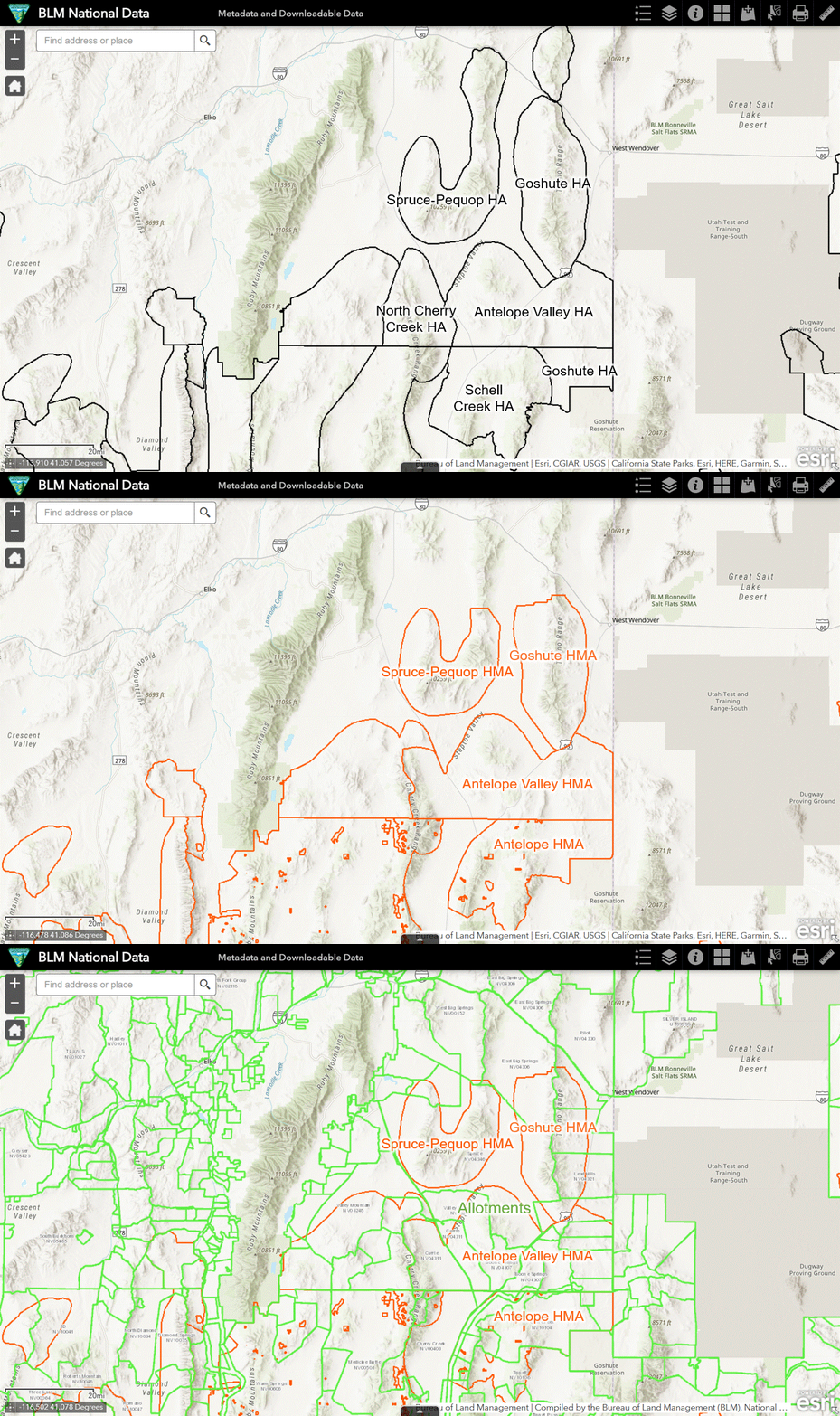
- Scope: Spruce-Pequop, Goshute, Antelope Valley HMAs
- Purpose: Pest control, resource enforcement, rancher protection
- Target: Horses
- Type: Planned
- Method: Helicopter
- Category: Cruel and costly*
- Better way: Poison mares with ovary-killing pesticides*
- Captured: 503, up from 444 on Day 13
- Average daily take: 33.5
- Capture goal: 2,000
- Removal goal: 2,000
- Returned: 1, up from zero on Day 13
- Deaths: 9, up from 8 on Day 13
- Shipped: 429, up from 371 on Day 13
The figures above are based on the daily reports, not the totals posted by the BLM.
The number of horses shipped to date is 435 according to the summary.
The number of mares taken on Day 11 was changed from 34 to 35.
A case of equine scoliosis was reported as a death on Day 14, suggesting that the stallion was dispatched for a non-life-threatening condition.
A death appearing on Day 15 with no remarks may correspond to the release/escape of a mare.
The death rate is 1.8%.
The capture total includes 173 stallions, 247 mares and 83 foals.
Youngsters represented 16.5% of the animals gathered.
Of the adults, 41.2% were male and 58.8% were female, outside the expected range of variation from a simple random process centered at 50% males / 50% females with a sample of 420 adults.

A 16% birth rate corresponds to a growth rate of 11% per year, considerably less than the 20% growth rate used by land managers to predict herd sizes and management actions.
Body condition scores on Days 14 and 15 ranged from 3 to 4.
The location of the trap site was not disclosed.
The HMAs and surrounding lands are subject to permitted grazing.
*According to advocates.
Day 15 ended with 64 unaccounted-for animals.
There are no plans to treat captured mares with fertility control pesticides and return them to the area.
Other statistics:
- Forage liberated to date: 6,024 AUMs per year
- Water liberated to date: 5,020 gallons per day
- Forage assigned to livestock: Unknown
- Horses displaced from area by permitted grazing: Unknown
- True AML: Unknown
- Stocking rate at new AML: Unknown
- Horses removed because of drilling and mining: Ask the advocates
Overpopulation means more horses than allowed by plan, not necessarily more horses than the land can support.
Roundups and first-hand accounts thereof are too late, too far downstream in the management process to be of any use to America’s wild horses.
RELATED: Antelope Roundup North, Day 13.
 Western Horse Watchers Association