
The Daily Sentinel of Grand Junction, CO deviates slightly from its anti-horse bias in this article about a Little Book Cliffs mare that roamed the WHR for an astonishing 30 years, thanks to—wait for it—a contraceptive drug.
If you’re up to speed in the wild horse world, you know the drug as PZP or Zonastat-H, an ovary-killing pesticide on the same EPA list as toxic chemicals.
You also recognize the advanced age as a symptom of an abnormal sex ratio, which the advocates and their dupes refer to as mares living longer.
The BLM-approved darting program, which appears at the top of the latest roundup schedule (for non-motorized removals), is carried out by Friends of the Ranchers, an advocacy group founded in 1982.
Curiously, they’ve scrubbed their site of all references to the product except for an old/inactive page about their organization.

Most wild horse advocates insist that pummeling the mares with pesticide-laced darts, which they describe as safe, proven and reversible fertility control vaccines, is harmless.
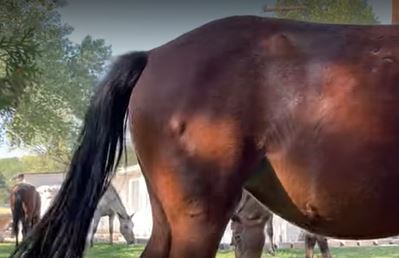
Evidence to the contrary is on full display at Assateague Island and is now leaking out in Currituck County, NC.

As for the ranchers, Little Book Cliffs is surrounded by BLM grazing allotments.

The horses don’t always respect the WHR boundaries, as noted in the story, so beating the population down with restricted-use pesticides protects resources assigned to the public-lands ranchers.
Unfortunately, application of PZP to control pests that interfere, or could interfere, with animal agriculture is not one of the approved uses.
If the advocates are ashamed of what they’re doing to the horses, how do you think they’ll feel when arrest warrants go out for unlawful use of pesticides?
Same for the bureaucrats and grunts.
In her later years, the mare had taken up with a black stallion and the pair were often spotted by hikers and motorists, but they produced no offspring, possibly due to natural causes but more likely because she had been isolated from the gene pool (sterilized, for those of you in Rio Linda) years earlier by the advocates.
“We give them better lives and longer ones,” one of them told the reporter, referring to the mares, not the stallions.
A two-foals-and-you’re-done policy is the goal according to the report.
This permanent condition will be achieved with the temporary contraceptive mentioned in the story, not by surgery.
The advocates can be more honest and open about their true intentions and loyalties now that the Colorado Wild Horse Project has become law.
As the American people realize they’re charlatans, and adjust their financial support accordingly, the state will fund such programs, going as far as paying people to hike the range and dart more mares.
As for the stallion, the advocates say he’s going to be lonely and may go downhill fast because of the loss. He’s already 23 or 24.
 Western Horse Watchers Association