The allotment master report for the Bruneau Field office shows two DBAs: Wickahoney Cattle Company and Cat Creek Cattle Company.
RELATED: Bruneau Beef.

Western Horse Watchers Association
Exposing the Hypocrisy, Lies and Incompetence of the Wild Horse Advocates
The allotment master report for the Bruneau Field office shows two DBAs: Wickahoney Cattle Company and Cat Creek Cattle Company.
RELATED: Bruneau Beef.
Open the allotment master report for the Bruneau Field Office, created on January 9, and search (CTRL+F) for Simplot. Western Horse Watchers found 18 occurrences in the Operator Name field.
Now, search the authorization use report, created on the same date, for occurrences of Sheep in the Livestock Kind field. You won’t find any. It’s all cattle.
There are no wild horse areas inside the field office boundary.
In other areas where the allotments intersect HAs, HMAs and WHTs, beef and wool production occur at the expense of America’s wild horses and burros.
RELATED: Rangeland Conditions In Horse-Free Areas, Paisley Desert Beef.

Refer to the comments in this video by Friends of the Heber Wild Horses. The imagery may be disturbing to some viewers.
RELATED: Forest Service Responds to Heber Wild Horse Deaths.
A news release posted today says four horses were lost, all due to bullet wounds.
A $5,000 reward has been offered for information leading to the arrest and conviction of the person(s) responsible, according to the announcement.
The news release appeared on the Alerts & Notices page for the Apache-Sitgreaves National Forests, not the Horse Incidents page.
RELATED: Forest Service Acknowledges Heber Wild Horse Deaths.
The incident began on January 6. Gather stats through January 8:
No youngsters have been gathered. Roughly 42% of captured adults were males and 58% were females. Some of the mares are probably within a few weeks of foaling.
Body condition scores are not known.
The HMA of origin was not reported. Three HMAs are involved in the roundup.
The number of unaccounted-for animals is 116. They are probably being held on site.
Some of the mares will be returned to their home range after receiving GonaCon, a contraceptive that may actually work like a sterilant.
RELATED: Eagle Roundup Begins.
There are no HMAs, HAs or WHTs on land administered by the Bruneau Field Office, part of BLM’s Boise District in Idaho.
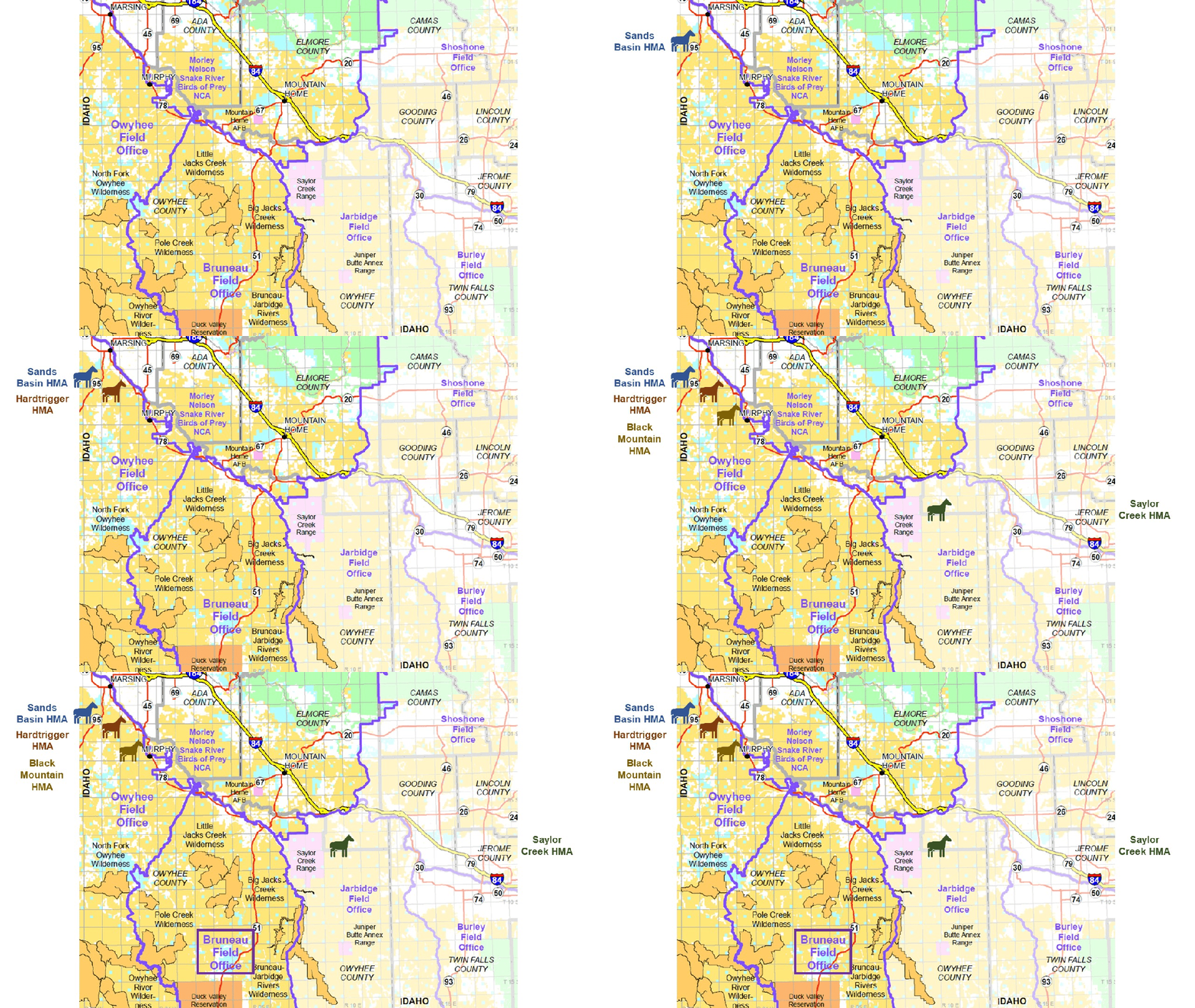
Wild horses may move into or through the area from other HMAs.
If you’re a free-roaming horse and can’t access critical resources because of permitted grazing, or other reasons, you go elsewhere to survive. That might include private property and lands managed almost exclusively for livestock—where you probably won’t be welcomed.
The allotment information report for the Bruneau Field Office, created by the Rangeland Administration System, shows many areas in the Improve category.

RAS does not explain the status categories but ‘Improve’ may mean that the allotment does not meet one or more standards for rangeland health. If so, how much of the shortfall can be attributed to wild horses? How much to drilling and mining?
The allotment master report for the Bruneau Field Office shows the pastures and permittees for each area and the authorization use report shows livestock types and grazing seasons.
Steam rises in the morning sun on January 5.
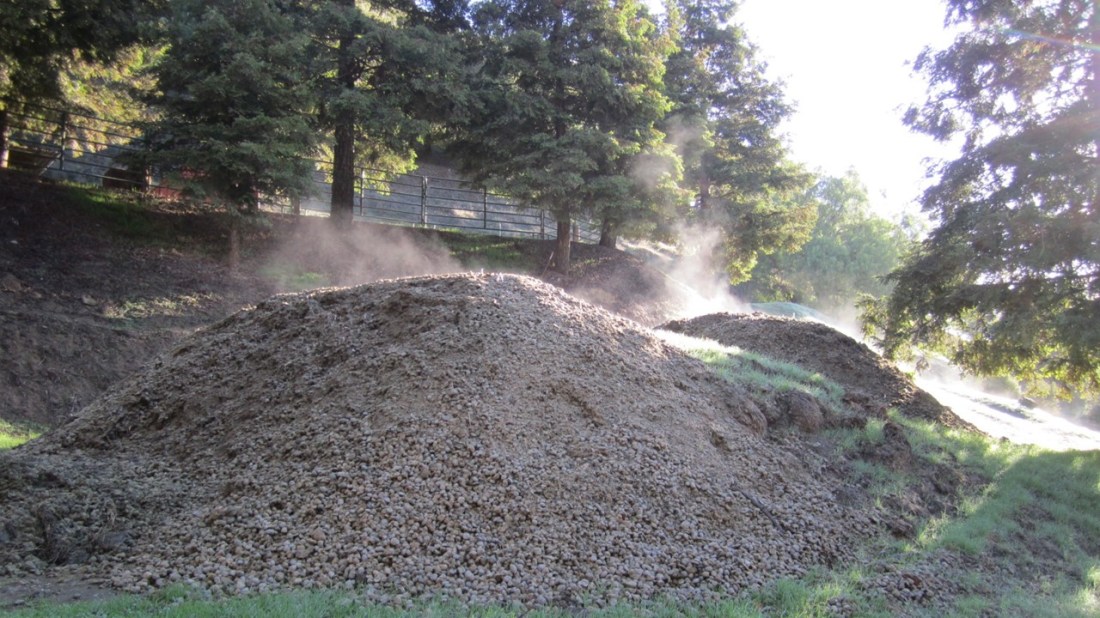
An investigation has started, according to an update of the original story by the White Mountain Independent of Show Low, AZ.
The most recent news release on the Apache-Sitgreaves Horse Incidents page is from January 2020.
RELATED: Another Attack On Heber Wild Horses?
The White Mountain Independent reported last night that a foal and other horses had been shot, according to information on socialist media, but the case has not been confirmed by the Forest Service.
More than two dozen wild horses have been lost to gunfire since October 2018 and the incidents are still under investigation.
RELATED: Forest Service Trying to Bury Heber Wild Horse Shootings?
UPDATE: Added video by ABC15 Arizona.
A virtual screening of a pilot episode will occur on February 11, according to an announcement in Equus Magazine.
Did Western Horse Watchers purchase a ticket? Nope.
The incident started on January 6, with 64 horses captured, none shipped and no deaths.
The gather page did not give their HMA of origin.
RELATED: Another Eagle Roundup In the Works.
If you’re talking about the impact on wild horses, the answer is yes, according to the writer of a story posted today by World Animal News. It’s an interview with filmmaker James Kleinert.
Western Horse Watchers disagrees. Drilling and mining affect anywhere from a few acres to a few thousand acres, while public-lands ranching affects entire HMAs and beyond—hundreds of thousands of acres.
The emergency roundup mentioned in the article is probably Delamar.
The project can not address the underlying problem. It can only ensure that it goes on for another ten years. The HMA is managed primarily for livestock.
Concerns about resource allocations and management priorities, although valid, should not be submitted.
According to Paragraph 2 in Section 2.3 in the Draft EA, reducing or eliminating livestock grazing “is contrary to previous decisions which allocated forage for livestock use and would not be in conformance with the existing land use plan nor does it achieve the purpose and need for this EA.”
Shifting forage to wild horses “would not be in conformance with the CRMP [Consolidated Resource Management Plan] and is contrary to the BLM’s multiple-use mission as outlined in the 1976 FLPMA.”
Section 1702 of FLPMA defines ‘multiple use’ as the management of public lands and their resources in a way that best meets the present and future needs of the American people, not a select few.
The EA gives you the impression that the RMP—approved in 2001—can never be changed, but that’s what needs to happen.
RELATED: Commenting On the Desatoya EA.
The online adoption started today and ends on January 12.
How long do you think they could stay on their home range when over 90% of their food has been diverted to public-lands ranchers?
RELATED: Saylor Creek Roundup Over.
It’s now $3,200, according to a report posted yesterday by Laramie Live, thanks to concerned citizens.
The incidents happened shortly after Christmas.
The conference will be held virtually this year, according to an announcement dated January 4.
The WHB update will be presented by Barry Perryman, UNR professor and member of the Wild Horse and Burro Advisory Board, on the afternoon of January 13.
If it was a driller’s conference, would there be a session on wild horses and burros?
What if it was a miner’s conference?
Caden Clark has the story from Ruidoso, NM.
Why would there not be enough resources?
They can, according to a guest column appearing today in the Pagosa Daily Post, by consuming grass and brush that carry flames to other fuels, such as trees.
The writer is described as a naturalist, author and conservationist.
A related article posted today by the Ag Information Network of the West provides additional details.
The author of the guest column wants horses removed “from areas where they are not wanted,” such as HMAs, and placed “in the mountains in an effort to reduce wildfire fuel.”
You see, many of these “remote wilderness areas are poorly suited to commercial livestock grazing due to the extensive predation of calves and lambs, poor accessibility and very difficult terrain,” so horses should live there.
Does this sound familiar?
The author is the same guy who wrote a column last month about moving wild horses into remote areas so public-lands ranchers can have full access to their food.
He’s listed as a rancher/conservationist in the Ag Info article.
The gather page says the operation concluded on January 3, with 198 horses captured, 135 shipped and no deaths.
The number of horses returned to the HMA was not reported, leaving the unaccounted-for category at 63.
RELATED: Another Fish Creek Roundup In the Works.
UPDATE: A news release by the Battle Mountain District Office says 63 horses were returned to the HMA.
 Western Horse Watchers Association