All About Equine Animal Rescue

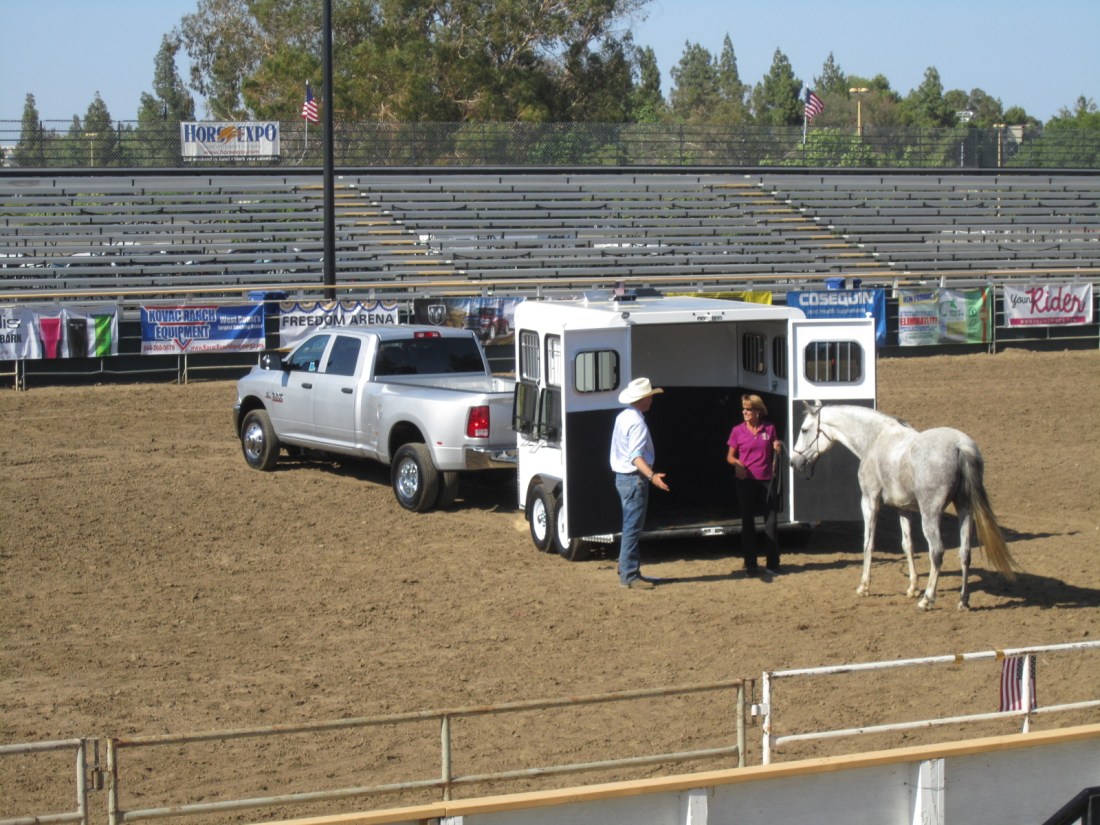
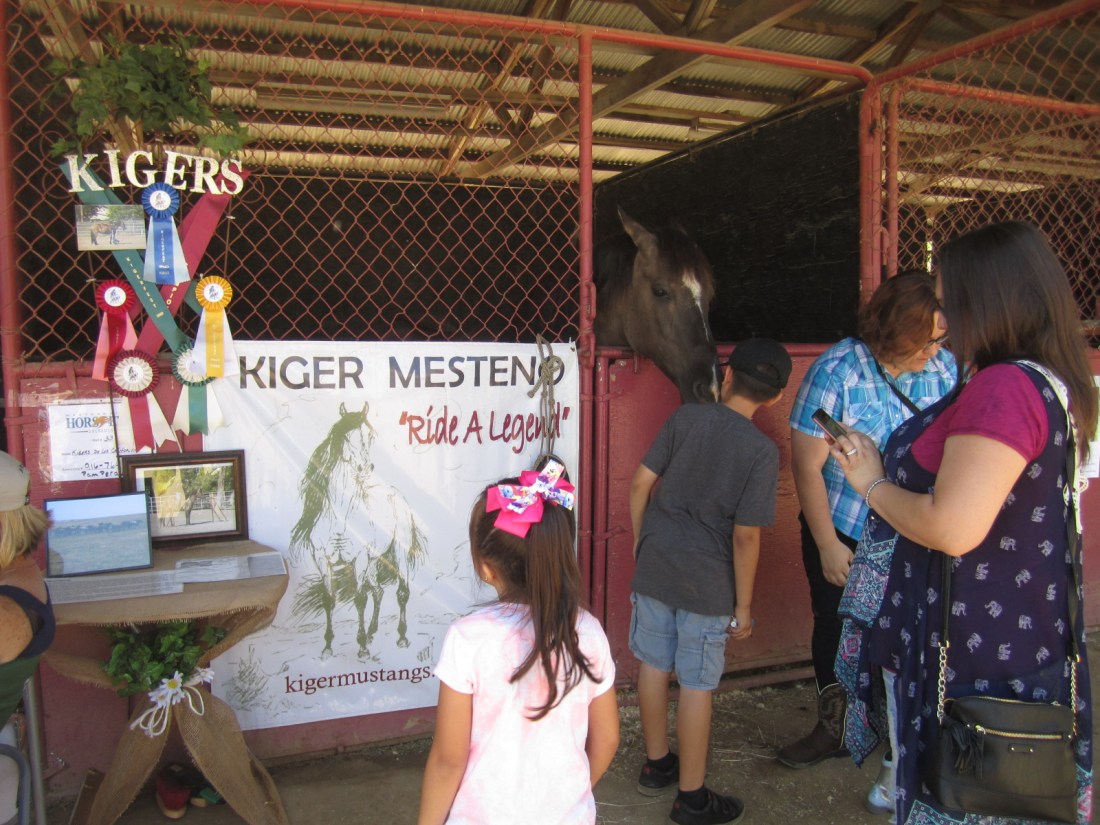
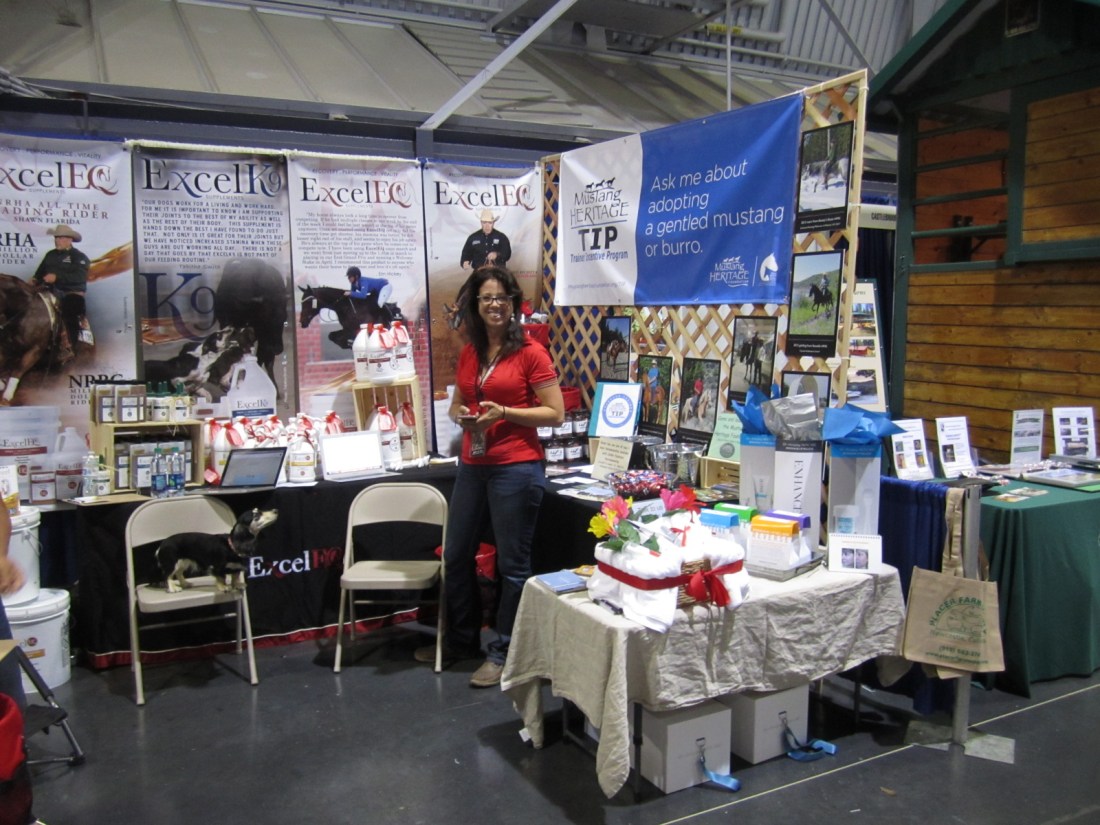
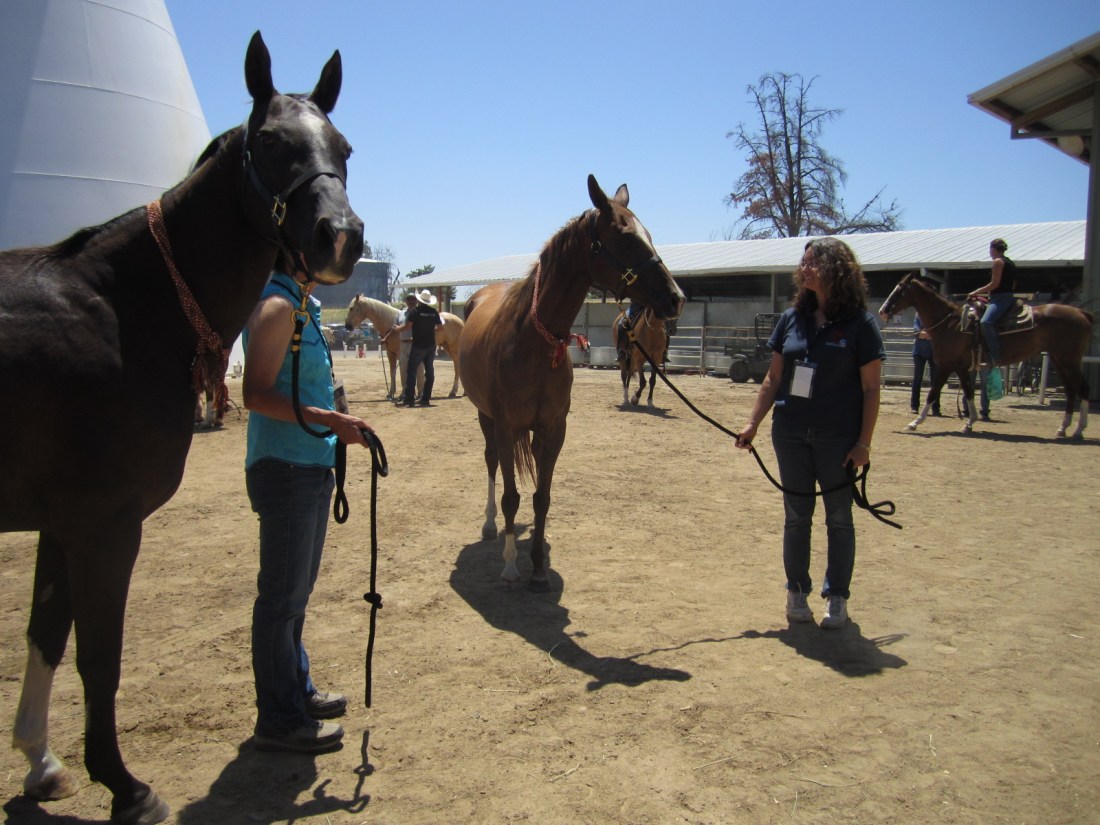
Six of the Hallelujah Horses were placed with this organization last year, and are now at their ranch in El Dorado Hills, CA.  They appear in the ‘Under Evaluation’ section of their adoption page as Kix, Bentley, Hank, Denver, Outlaw and Toby.

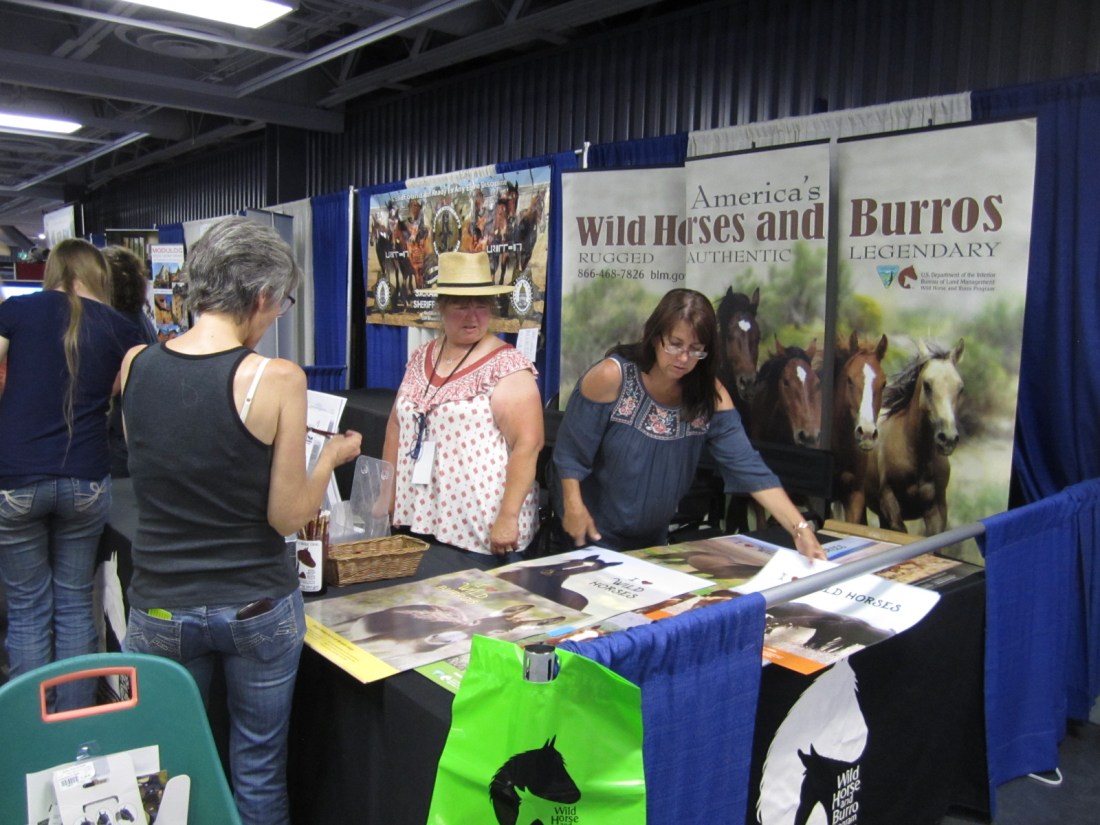
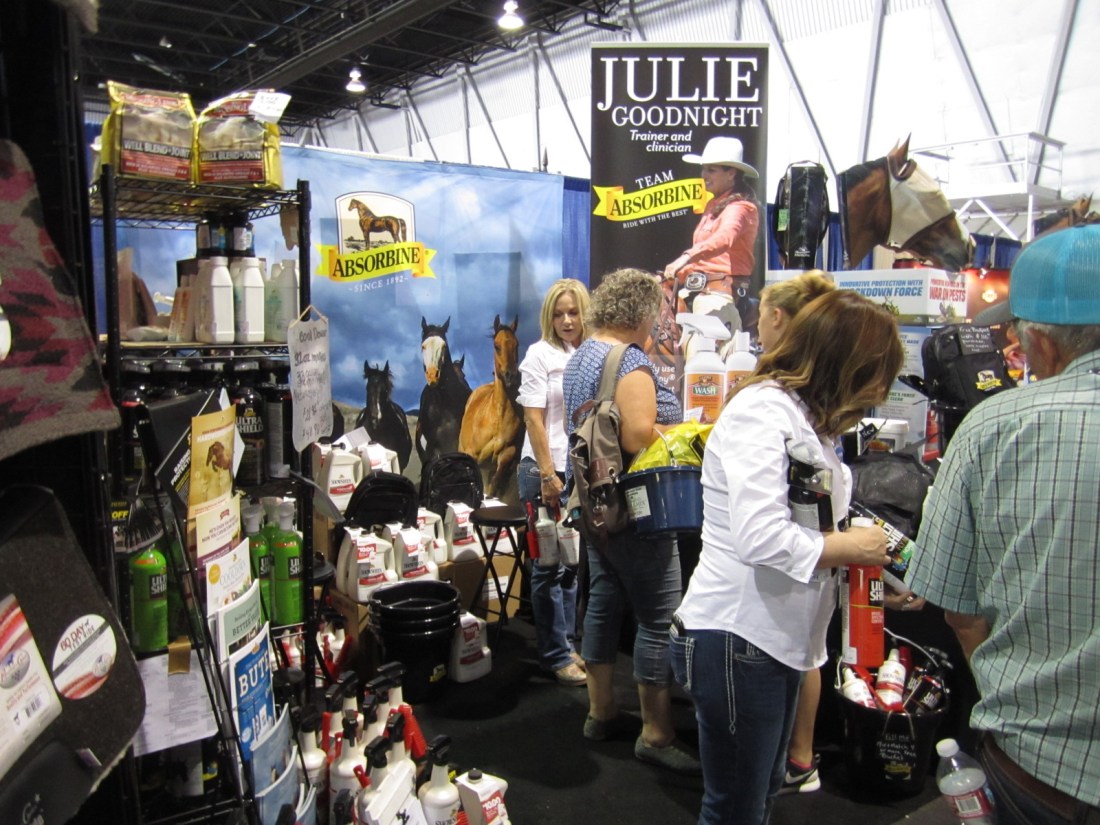
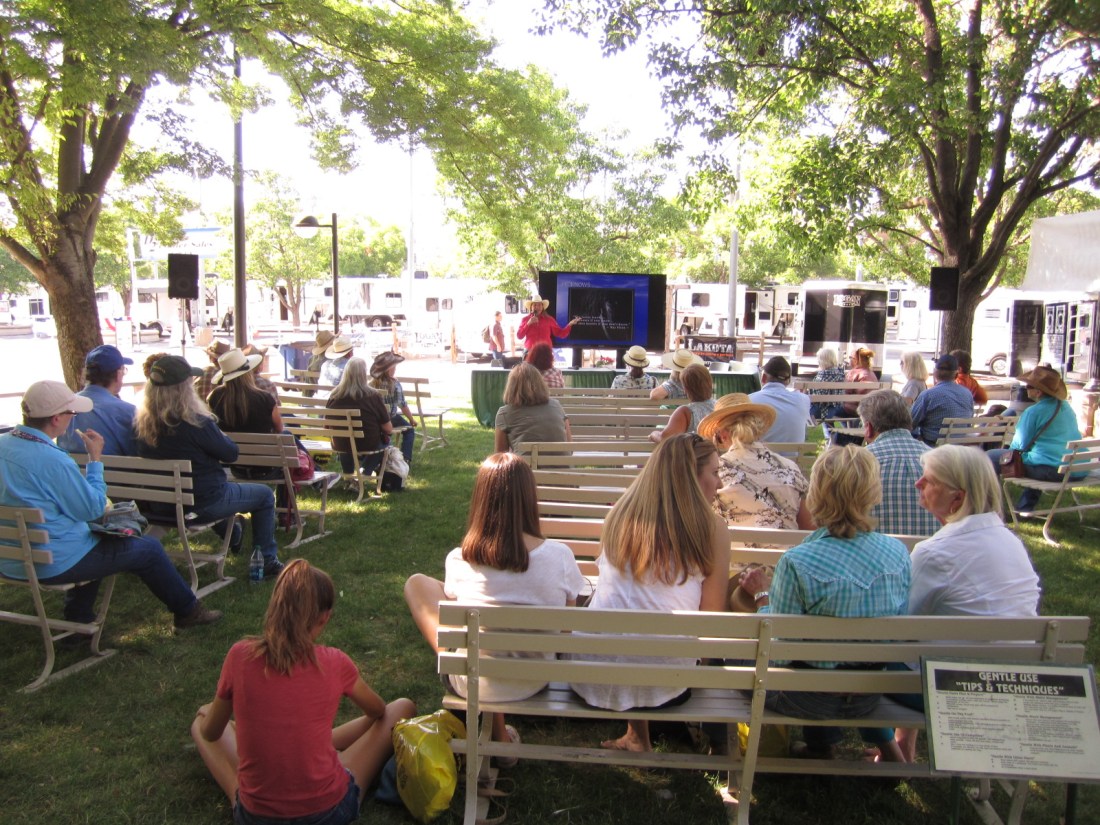
Photo below from the All About Equine exhibit at the 2018 Western States Horse Expo.

As for the ISPMB rescue, it’s Mission Complete!  The original FB page is still active and individuals are now sharing the stories of their adopted horses.

RELATED: ISPMB Update from December 2017.

IMG_5834

Volunteers Preparing to Haul Water to Sand Wash Basin HMA

Personnel with Wild Horse Warriors for Sand Wash Basin are finalizing plans to bring water to the Sand Wash mustangs, according to a report posted 06/12/18 in Steamboat Today.  The action stems from ongoing drought conditions.

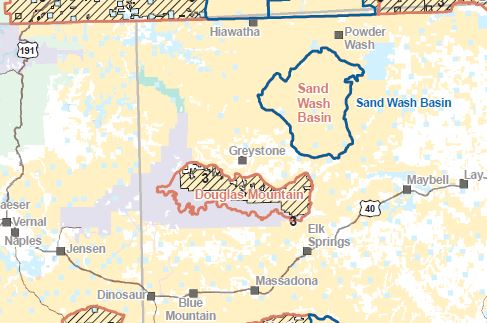
Sand_Wash_Basin_HMA_Map-1

The report says the HMA is enclosed by a fence.  If that’s true, the horses are no longer self-reliant.  If they can’t move to other areas to find food and water, they’ll become dependent on people or will die.  You fence ’em, you own ’em.

Sand_Wash_Water_Update-1

The Sand Wash Basin HMA covers 157,730 acres in northwest Colorado.  The upper end of the AML is 363, for a population density of 2.3 horses per thousand acres.

RELATED: Water Holes Drying Up at Sand Wash Basin HMA.

Advocates Still Want Answers for Virginia Range Horses

Although not on the agenda, the Virginia Range mustangs received considerable attention during public comments at the 06/06/18 Nevada Board of Agriculture meeting.

The Board’s plan to transfer ownership of the horses to a non-profit advocacy group was met with no response and was withdrawn on 05/02/18.

Comments begin at 0:06:02 and end at 0:38:20.  Most of the commenters urged the Board to reinstate a birth control program similar to the one cancelled in 2017.  Sad.

Oregon HMA Stats

Most of the herd management areas in Oregon are in the northwest corner of the Great Basin.

Here are some statistics for the state, developed from individual pages at the BLM web site.

  • Number of HMAs: 18 (one jointly managed with USFS)
  • Total land: 2.9 million acres (mostly public, some private)
  • Total animals: 2786 (mostly horses, a few burros, using upper values of AMLs)
  • Stocking rate: 1031 acres per animal (0.97 animals per thousand acres)
  • Stocking rate at 3X AML: 344 acres per animal (2.91 animals per thousand acres)

The last figure is offered as an estimate of the current situation, as many of the HMAs have more animals than allowed by the upper end of their AMLs.

Livestock grazing was not reported on any of the HMAs, although it presumably occurs on some of them.

The largest HMA is the Coyote Lake / Alvord Tule Springs complex at 553,603 acres, while the smallest is Hog Creek, at 21,844 acres.

Stocking rates vary from 5.0 animals per thousand acres at Cold Springs HMA to 0.4 animals per thousand acres at Warm Springs HMA.

2018 WSHE – BLM Mustangs

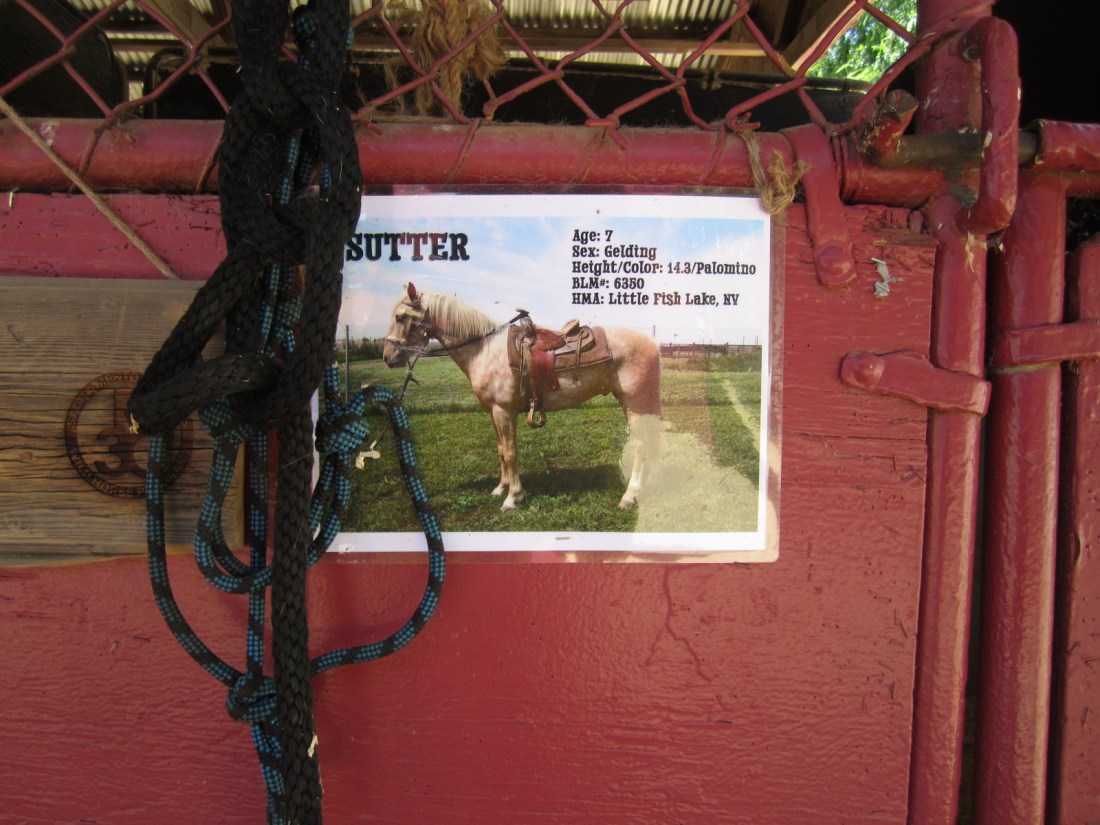
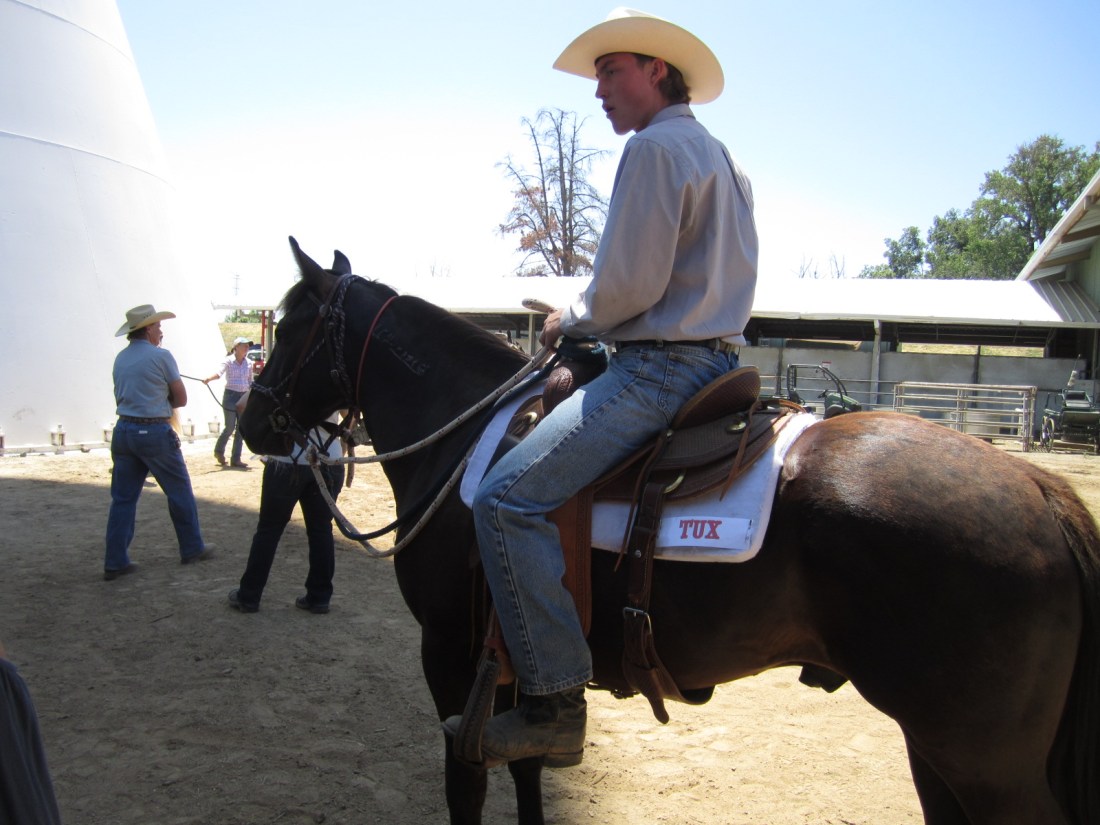
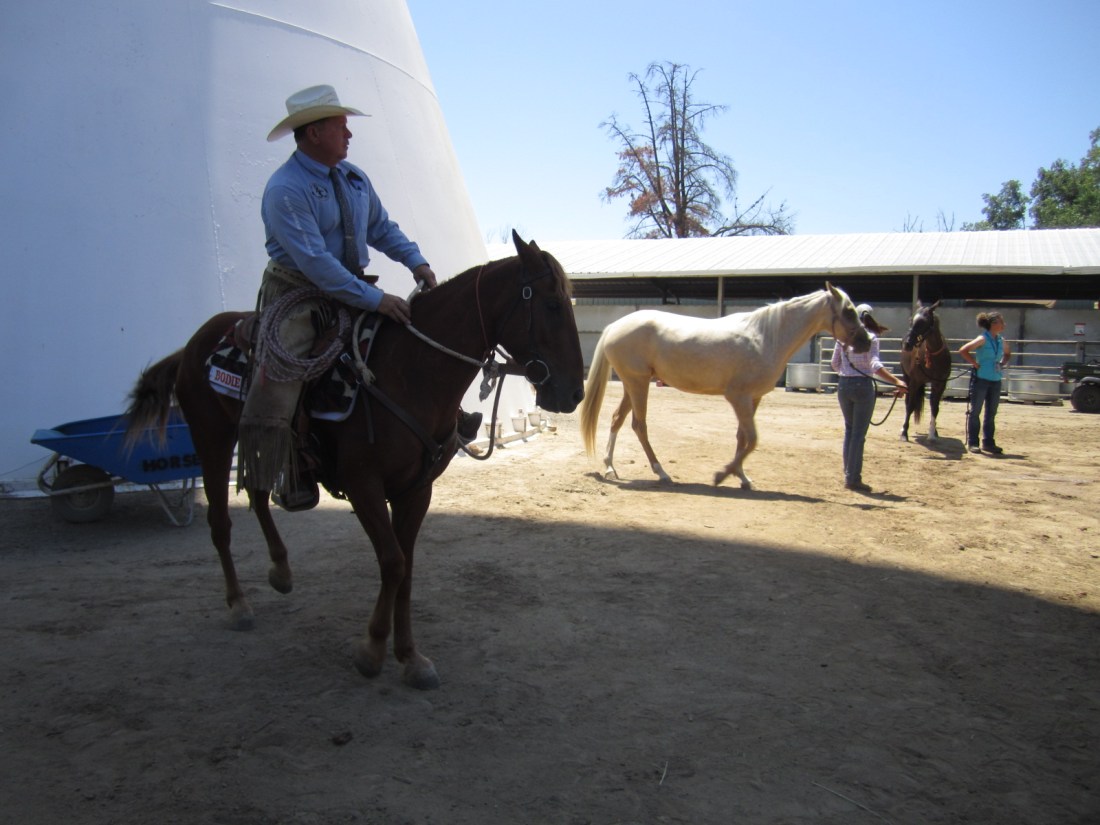
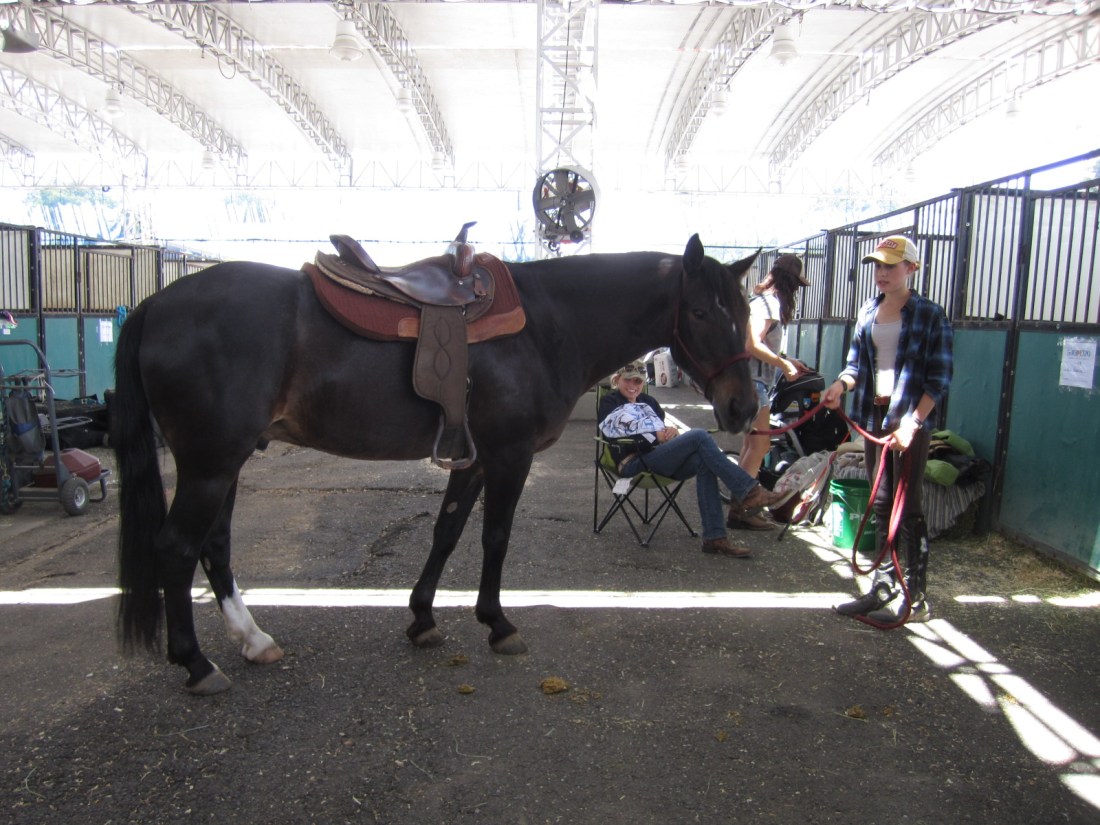
This year’s Western States Horse Expo featured four saddle-ready mustangs.  They were trained by inmates at the Rio Cosumnes Correctional Center in Elk Grove, CA, and ridden by staff of the Sacramento County Sheriff’s Wild Horse Program.

Photos taken on opening day, 06/08/18.  Adoption took place on 06/10/18, results appear at the Friends of R3C adoption page.

IMG_5623

IMG_5618

IMG_5637

IMG_5641

IMG_5676

IMG_5772

2018 WSHE – Clinicians

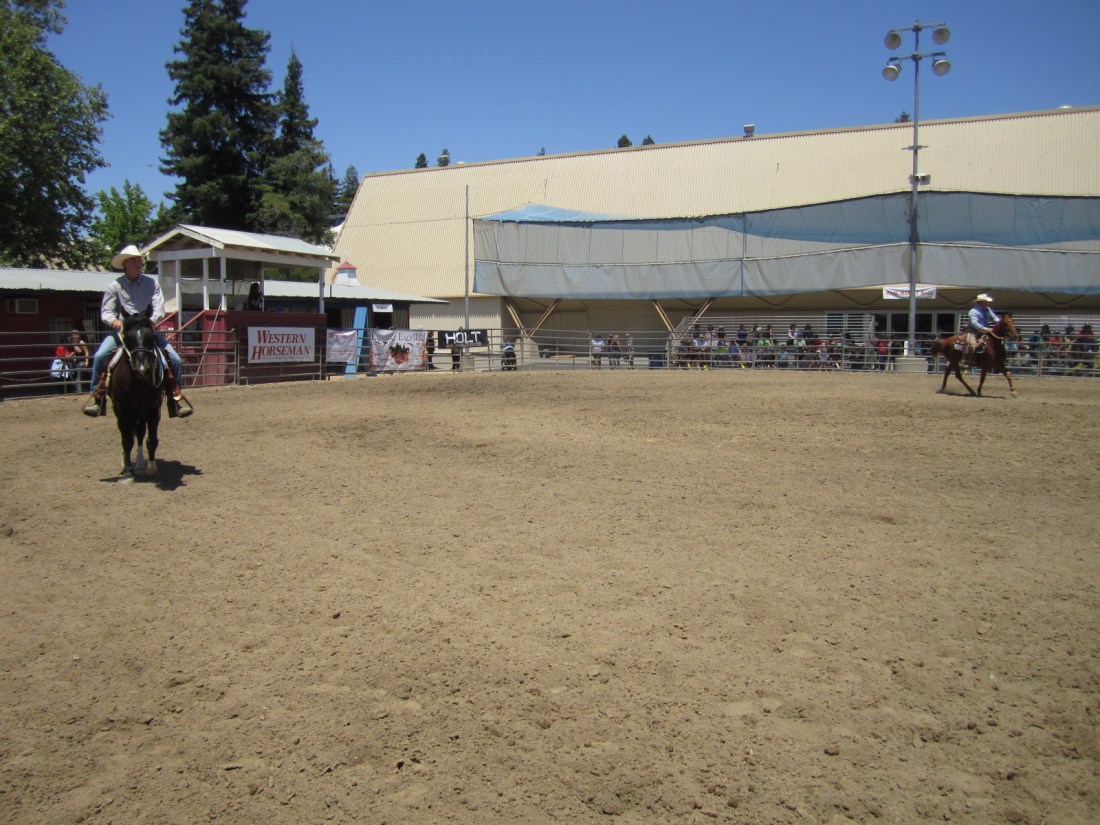
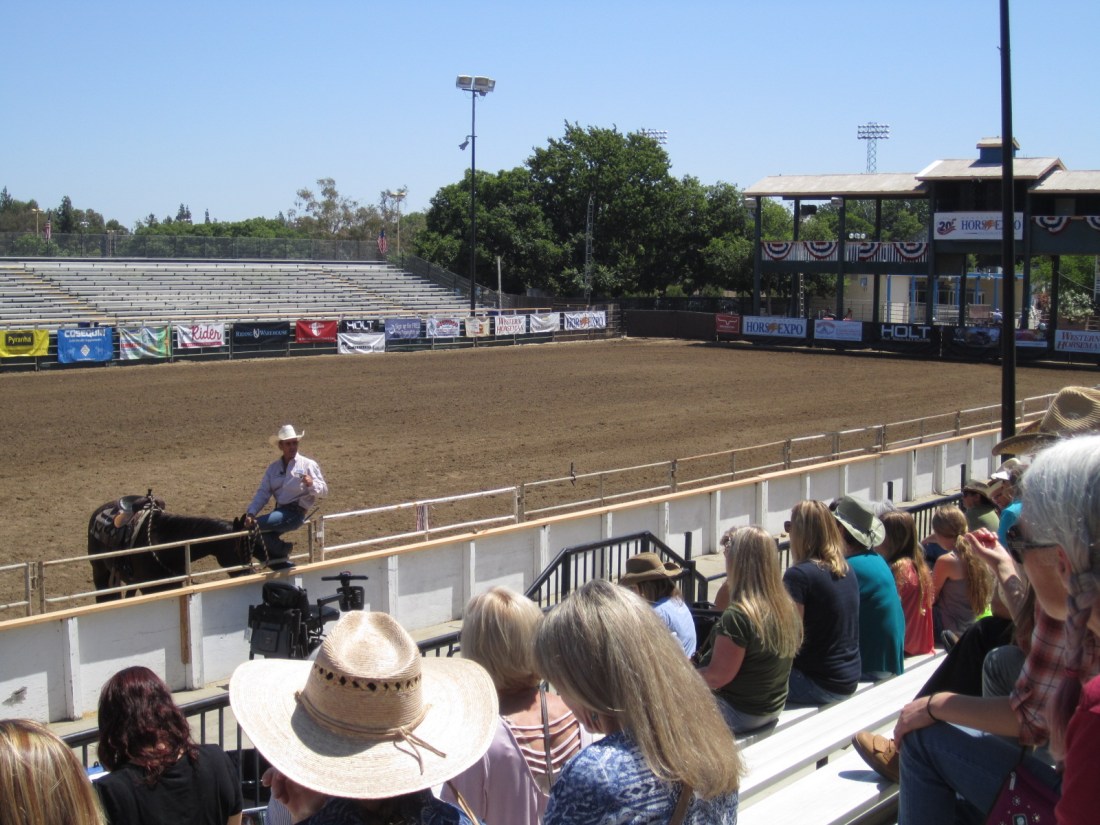
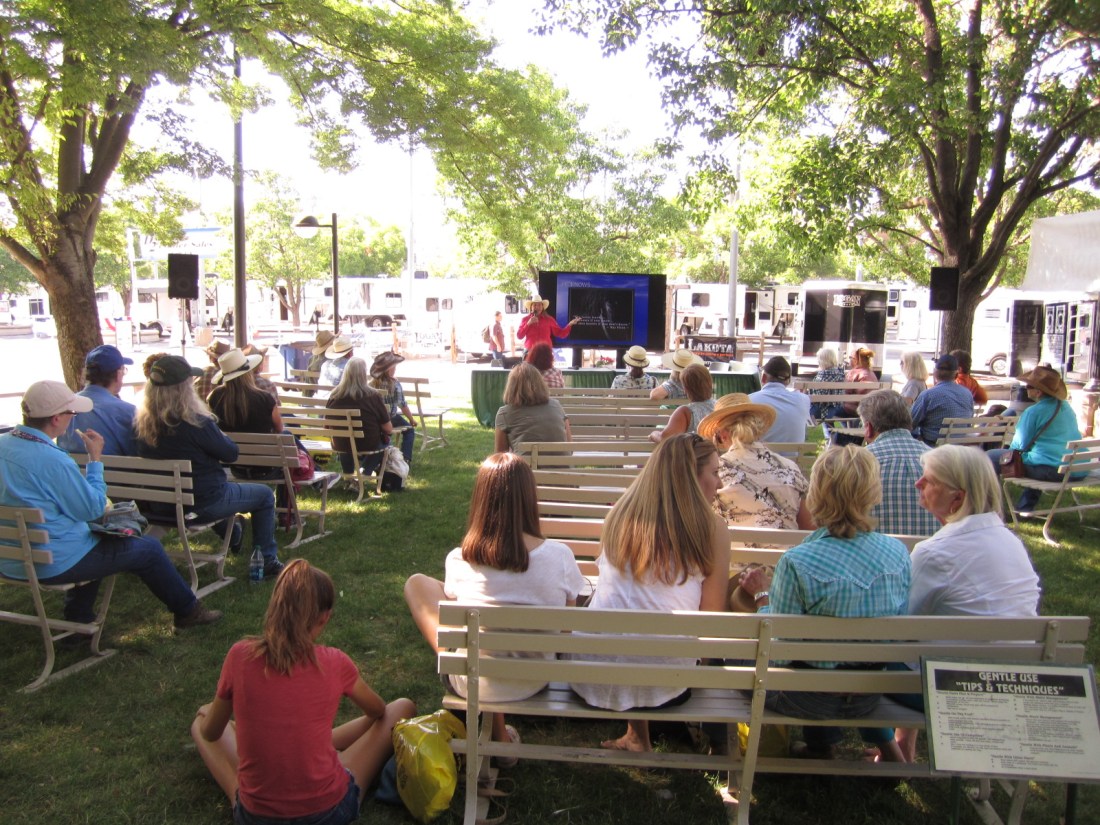
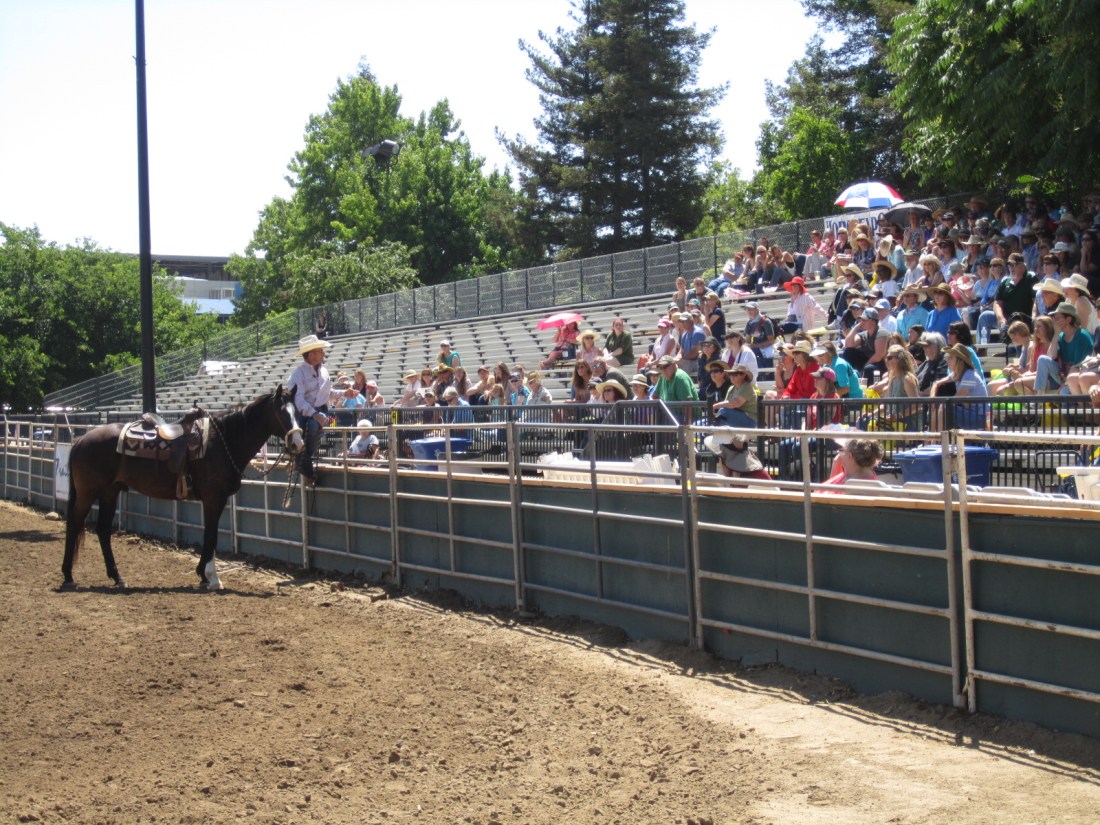
Photos from Opening Day of the Western States Horse Expo, 06/08/18.

Warwick Schiller, speaking about unwanted horse behaviors.

IMG_5594

Curt Pate on how to start a young horse.  Seen here riding with one rein.

IMG_5796

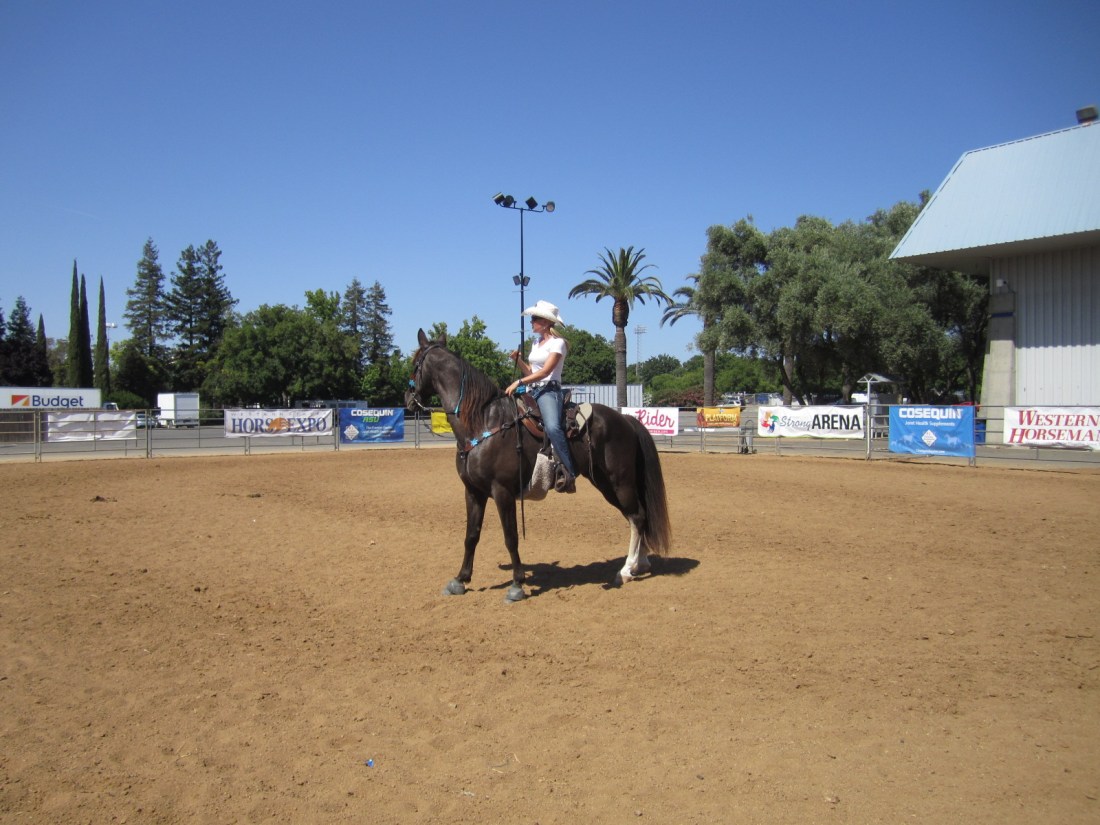
Gaye DeRusso shares her knowledge of gaited horses.

IMG_5813

Heidi McLaughlin, speaking about rider confidence.

IMG_5849

Jonathan Field on trailer loading.

IMG_5861

Julie Goodnight, discussing communication and social behaviors of horses.

IMG_5868

Best Way to Help the Poor

An opinion piece in The Daily Sentinel, published 06/10/18, addresses the problem of wild horses in long-term holding, which costs the American taxpayer $50 million annually.

Sell them for ‘humane processing,’ as we do with millions of other companion animals such as cattle, hogs and chickens.

Fantastic idea.  Gathers would be renamed ‘harvests,’ and poor people around the world would be able to buy meat at reasonable prices.

And speaking of slaughter, don’t forget the $500 million spent each year by the federal government to aid in the murder of pre-born kids.  This, of course, saves billions in entitlement spending.

In 1939, Archie D. Ryan of the US Grazing Service (forerunner of the BLM) said “The wild horse consumes forage needed by domestic livestock.  They bring in no return and serve no useful purpose.”

Nothing has changed.  Today, that statement provides the axiomatic basis of the wild horse narrative.  The same way ‘The speed of light is constant’ gets the ball rolling in Special Relativity.

Polls indicate that roughly 80% of Americans want these animals protected and preserved.

But the number of HMAs has been on a decline for years, along with the size thereof.

  • Give back the land that has been taken from wild horses and burros
  • Expand HMAs to include HAs
  • Remove livestock from these rangelands
  • Admit the carrying capacity of the land is greater than publicly acknowledged
  • Adjust AMLs accordingly
  • Make more land available for private ownership
  • Waive property taxes on barns, fences and corrals built for WHB adoption
  • Omit sales taxes on feed and supplies
  • Prohibit the use of PZP on HMAs

My friends, the only problem these animals have is you.  Same for the poor folks.

They don’t need to be served, they need to be able to labor and produce, and provide for themselves.  But that’s not going to happen because it’s bad for business.  As the author states, government bureaucrats want more power, more money, more staff.  Closing departments, selling buildings and laying people off—because problems have been solved—are the last things on their minds.

Waste Management

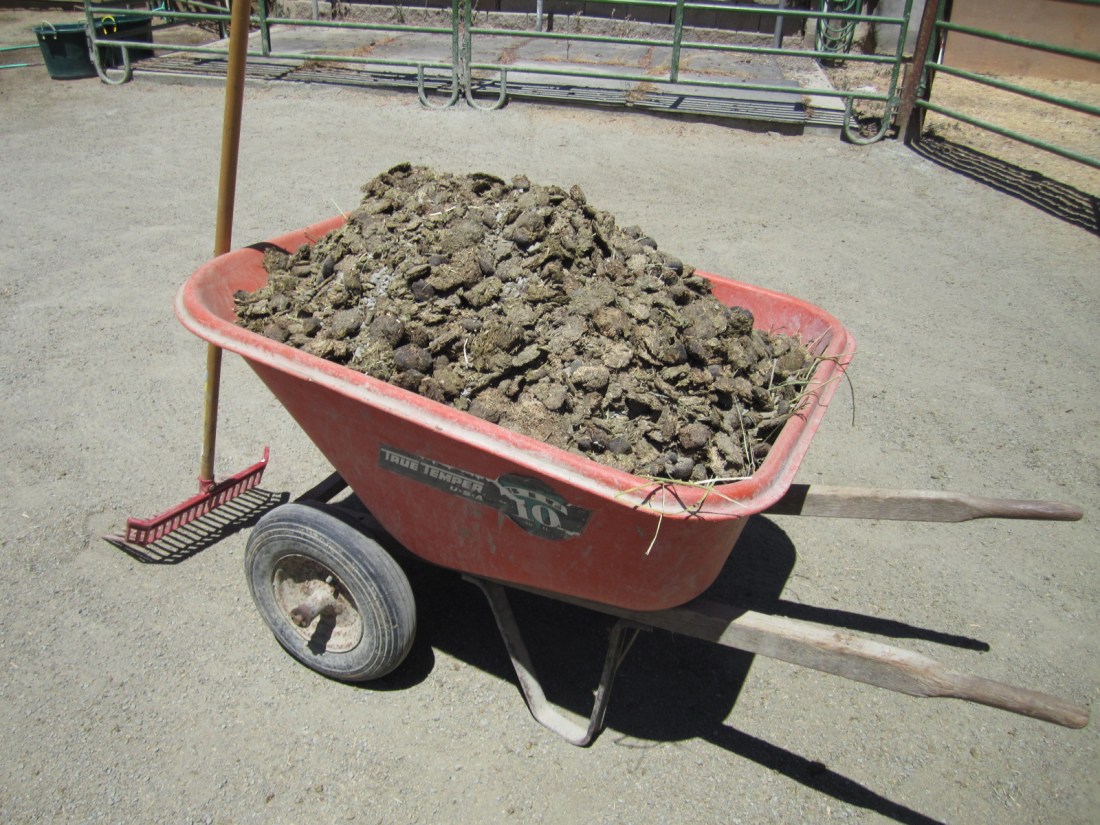
Here are the results of cleaning operations on 06/03/18.  Exhibit 1, from a corral containing three horses, 24 hours since last cleaning:

IMG_5493

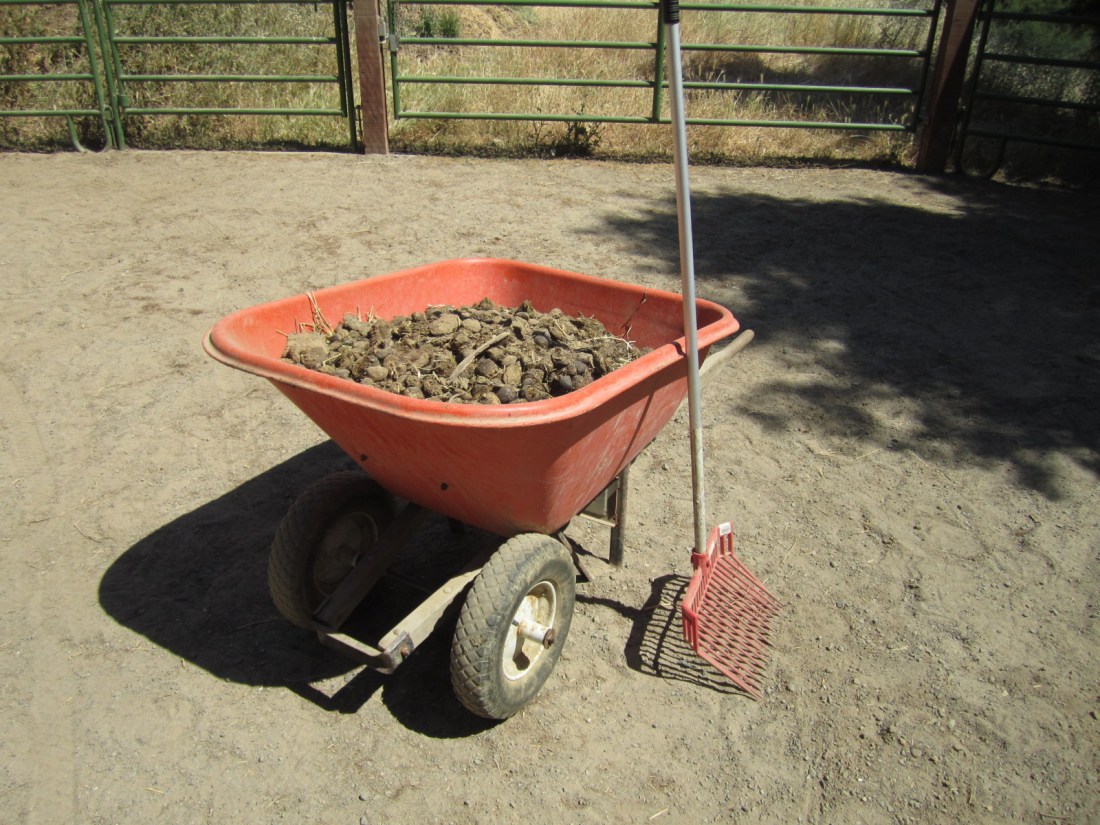
Next, Exhibit 2, from a corral also containing three horses, 24 hours since last cleaning:

IMG_5527

Both wheelbarrows hold ten cubic feet.  Some days you have a bit more, some days you have a bit less.  Based on these results, your average horse generates about three cubic feet of waste materials per day (poop and uneaten hay).

After a few years, you’ll have quite a pile.  You’re going to need a tractor to work it.

Don’t forget spare rakes and/or rake heads.  A rake with one or more missing tines is a productivity killer when you’re scooping poop, but can be used well enough in the barn for cleaning up spilled hay.

Rakes with metal handles, seen in the second photo, are fine in the summer but they draw the heat out of your hands in the winter.  Wood is better.

Judge Says OK to Round Up Horses at Fort Polk

A federal judge ruled yesterday that the Army can continue rounding up feral horses at Fort Polk while a lawsuit aimed at stopping the gathers works its way through the courts, according to this report at Army Times.

Pegasus Equine Guardian Association, an advocacy group, argued that some of the horses may be traceable to those brought to the New World by Spanish explorers.

The horses roam mostly on the Kisatchie National Forest in Louisiana, which is managed by the USFS but is not a WHT.