A tropical storm watch is in effect.
The closest approach will be on Thursday.
Click on image to enlarge.


Exposing the Hypocrisy, Lies and Incompetence of the Wild Horse Advocates
A tropical storm watch is in effect.
The closest approach will be on Thursday.
Click on image to enlarge.
The incident started on August 11. Results through August 15:
The figures above are based on the daily reports.
Results for Day 5 were not posted until today. The gather page says it’s over but not with 199 unaccounted-for animals.
Two horses died on Day 4, followed by one on Day 5, lifting the death rate to 5.2%.
The capture total includes 94 stallions, 85 mares and 31 foals.
Youngsters represented 14.8% of the animals gathered.
Of the adults, 52.5% were male and 47.5% were female.
The location of the trap site is not known.
The name of the contractor was not given.
There are no plans to treat any of the mares with fertility control pesticides and return them to the range.
Both areas are subject to permitted grazing. Resources liberated to date:
The AML for Wood Hills is zero.
RELATED: Maverick-Medicine Emergency Roundup, Day 3.

Like the original commentary, this one is for subscribers only.

Other parties are equally culpable, such as the wild horse advocates, farm bureaus, wildlife associations and public lands councils.
The aim of the grazing program is to ensure that high net worth individuals receive generous government benefits with no means testing and no expiration date.
Presiding over the scam are the Secretaries of Interior and Agriculture.
RELATED: Denver Post Misleads Readers About Wild Horses.
UPDATE: The response has been posted to the FOA website.
On the Virginia Range, where the advocates are attempting the largest eradication of wild horses in Nevada, with Art.
A gather page has been created but there is no announcement at the BLM news site.
The capture goal is 120.
Horses will be drawn into the traps with bait.
The incident will not be open to public observation.
Captured animals will be taken to the contract facility in Sutherland via off-range corrals in Cedar City.
There are no plans to treat any of the mares with fertility control pesticides and return them to the range, suggesting that the removal goal is also 120.
The JMA includes BLM and Forest Service lands.
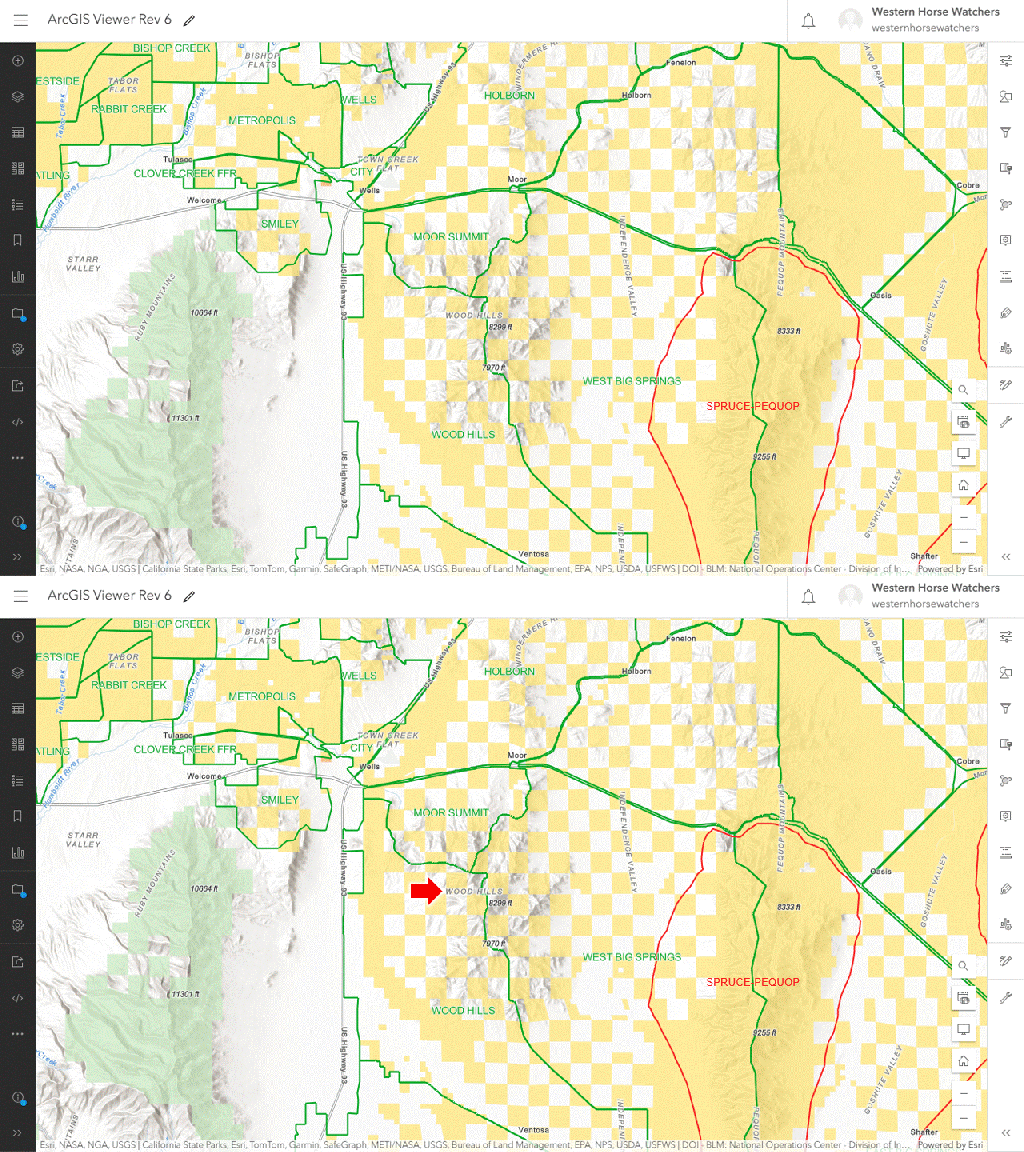
The ArcGIS Viewer indicates that permitted grazing occurs in the BLM component but not in the Forest Service component.
The Drought Monitor puts the JMA in category D2, severe drought, along with most of Iron County and all of Washington County.

A pinto colt was observed on August 15 according to a report by WBOC News, boosting this year’s foal crop to 101.
The article did not indicate if his heavily pregnant mom was forced into the channel by the saltwater cowboys for the July 30 swim.
FWS limits the herd to 150 ponies, raising questions about herd demographics, current management practices and motives of the Chincoteague Fire Company.
Revenues from the July 31 auction exceeded $1 million.
As of today, the company has not responded to emails seeking the number of adult males and females on the island.
RELATED: Chincoteague Ponies: Cash Cows of Assateague Island.
The incident will begin on September 2 according to the news release.
The capture goal is 350.
The removal goal was not given.
The current population is thought to exceed 700.
The AML is 402.
The contractor will use motorized equipment and bait traps to capture wild horses.
Operations will be open to public observation on a limited basis.
Animals identified for removal will be taken to the Double Devil Corrals.
There are no plans to treat any of the mares with fertility control pesticides and return them to the range.
Daily reports may be posted to the Modoc home page.
The WHT is subject to permitted grazing.
The roundup supports three tenets of rangeland management.
The incident started on August 11. Results through August 13:
The figures above are based on the daily reports.
Three horses were dispatched on Day 2, followed by five on Day 3. No details were given.
The death rate is 4.7%.
The capture total includes 72 stallions, 76 mares and 23 foals.
Youngsters represented 13.5% of the animals gathered.
Of the adults, 48.6% were male and 51.4% were female.
The location of the trap site is not known. The capture rate suggests that the method of removal is helicopter, not bait.
The name of the contractor was not given.
There are no plans to treat any of the mares with fertility control pesticides and return them to the range.
Both areas are subject to permitted grazing. Resources liberated to date:
The AML for Wood Hills is zero.
RELATED: Maverick-Medicine Emergency Roundup in Progress.
The inevitable result of humane population reduction, an invention of the wild horse advocates, is mass sterilization.
What rancher, thinking strategically, wouldn’t support that?
RELATED: Foal-Free Friday, Outliers and Counterexamples Edition.

Most of the debate occurs on socialist media but occasionally appears in local news outlets, such as this letter to the Daily Independent of Sun City, AZ.
Nobody’s talking about the long-term prospects for the herd, which has been ruined by the advocates.
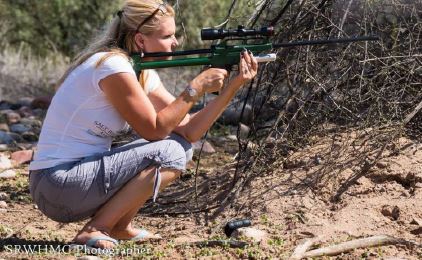
A population target of 100, or any other value, will be impossible to maintain when you’ve driven the birth rate to zero—permanently.
RELATED: Salt River Challenger Writes About Wild Horse Advocates.
The pledge will support activities such as
A story by the Cody Enterprise refers to an anonymous donor but the advocates know exactly who she is.
The group’s mission is to protect and preserve the wild horses of McCullough Peaks.
File under: Charlatans.

Still no reply to the email seeking the number of adult males and females in the herd.
The birth of 100 foals this year, to a herd that cannot exceed 150, suggests a highly abnormal sex ratio.
How did that happen and how much worse will it get?
Is greed a factor in the way the herd is managed?
The incident started yesterday with 17 horses captured, none shipped, none released and no deaths.
RELATED: Maverick-Medicine Emergency Roundup Starts August 8.
It’s west of the Spruce-Pequop HA and southeast of Wells in the I-80 checkerboard.
The ArcGIS Viewer indicates that wild horses were not found there when the WHB Act was signed into law.
Three allotments meet in the area: Moor Summit, Wood Hills and West Big Springs.
The allotment master report provides management status, acreage and available forage.
Together they offer 5,883 active AUMs on 153,602 public acres, equivalent to 3.2 wild horses per thousand public acres.
Your faithful public servants claim that public lands in the western U.S. can only support one wild horse per thousand public acres.
The Maverick-Medicine emergency roundup targets 75 wild horses in Wood Hills.
RELATED: Maverick-Medicine Emergency Roundup Starts August 8.
The incident is on hold due to a July 15 appeals court ruling.
The August 5 update indicates an ongoing roundup at Saylor Creek but there is no link to the daily reports at the Idaho gather page.
The schedule also indicates that the Maverick-Medicine emergency capture goal includes 75 wild horses from Wood Hills.
The Saltwater Cowboys bring in the harvest on the eastern flank of Chincoteague NWR.
When you see a search result like this you know you’re about to be led down the garden path to a glorious place envisioned by ranchers and their allies.

How much of the material was sourced from the Bureau of Livestock Multiplication and the Campaign Against America’s Wild Horses?
Western Horse Watchers was unable to access the article.
Public lands in the western U.S. may have 47,500 wild horses and burros than allowed by plan, but not 47,500 more than the land can support.
The issue is not overpopulation, but the way your public lands are managed.
RELATED: Narratives, Collusion Drive Wild Horse Reporting.

Targets for pesticide-laced darts.
The inevitable result of “humane population reduction,” which they peddle as wild horse conservation, is mass sterilization.
What rancher, thinking strategically, wouldn’t support this?
They’re telling you that they’re reducing population growth but they’re the Nevada Department of Agriculture that they’ve reversed it.
Six years means they’ve sterilized most of the mares.

The herd is shrinking and they’re selling it as wild horse conservation.
They are phonies, servants of the ranchers, irrelevant.

 Western Horse Watchers Association