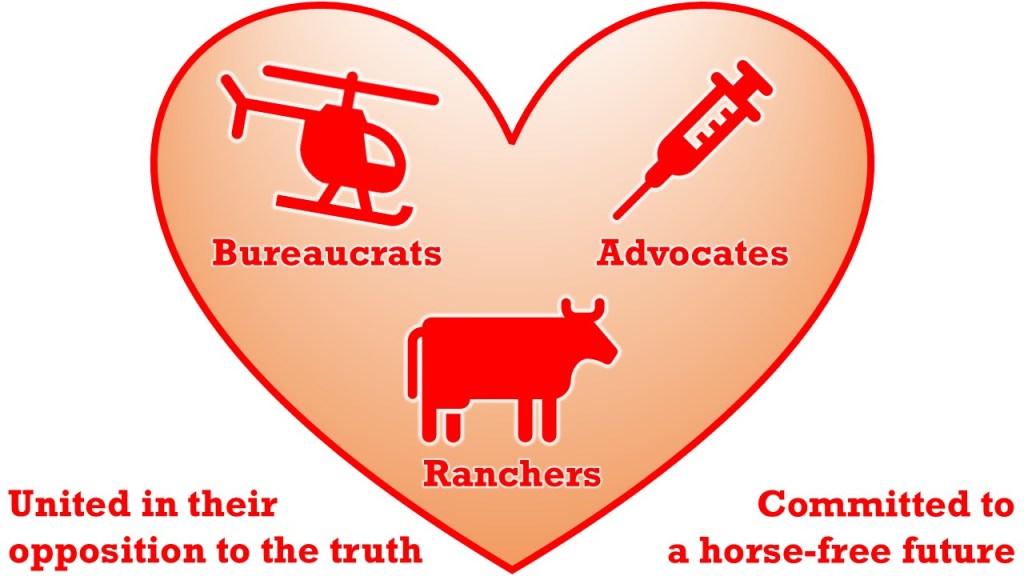
CAAWH Runs Interference for Salt River Advocates

Why did KNXV News of Phoenix go to the Campaign Against America’s Wild Horses, a leader in nonmotorized removal and instigator of the largest attempted eradication of wild horses in Nevada, to write a report about a herd in its own back yard?

Perhaps the Salt River Wild Horse Darting Group, hired by the state to manage the herd and one of the contenders for the new contract, was not allowed to comment.

Why are statements in the report inconsistent with remarks in the video?

For example, the report says that federal fencing and reduced access to habitat—not the advocates—have pushed the population down from 460 horses to around 280.

But the video says it’s a combination of fertility control—the handiwork of the Salt River advocates—and the boundary fence.

Both include an allegation by CAAWH that the Tonto National Forest and Governor Katie Hobbs’ office discussed a plan with the Arizona Department of Agriculture that would leave as few as 21 horses on the range, which would doom the herd.

The herd is already doomed, thanks to the advocates.

A minimum of 150 to 200 horses is needed to preserve genetic diversity according to CAAWH, which does not take into account the number of mares ruined, or being ruined, by the fertility control program.

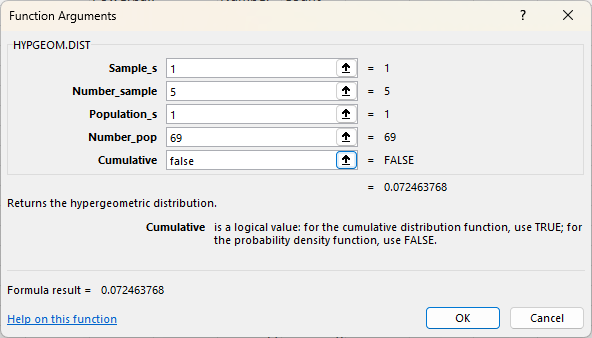
A herd of 500 would not be enough when you can count the breeding population on one hand.

Humane disposal of wild horses, demonstrated by Jay Kirkpatrick on Assateague Island and popularized by the advocates, has two components:

  • Snuffing out new life with PZP
  • Praying for the older horses die

The Salt River herd has been shrinking at a rate of 9% per year, more than can be attributed to natural causes.

RELATED: Salt River Advocates Submit Management Proposal?

Salt River Advocates Submit Management Proposal?

If there’s any praying going on, it’s for the older horses to die.  That’s how they’ll achieve their population target.

AZDA has done a great job of concealing the process and thwarting public involvement, as there are no announcements at its news page.

Western Horse Watchers does not read or link to anything on socialist media because of its left-wing bias.

RELATED: Advocate Calls for More Poison at Salt River.

Advocate Calls for More Poison at Salt River

Hey Western Horse Watchers, I searched that letter and couldn’t find “poison.”

It’s right here: “Stop the politics, continue SRWHMG’s humane management.”

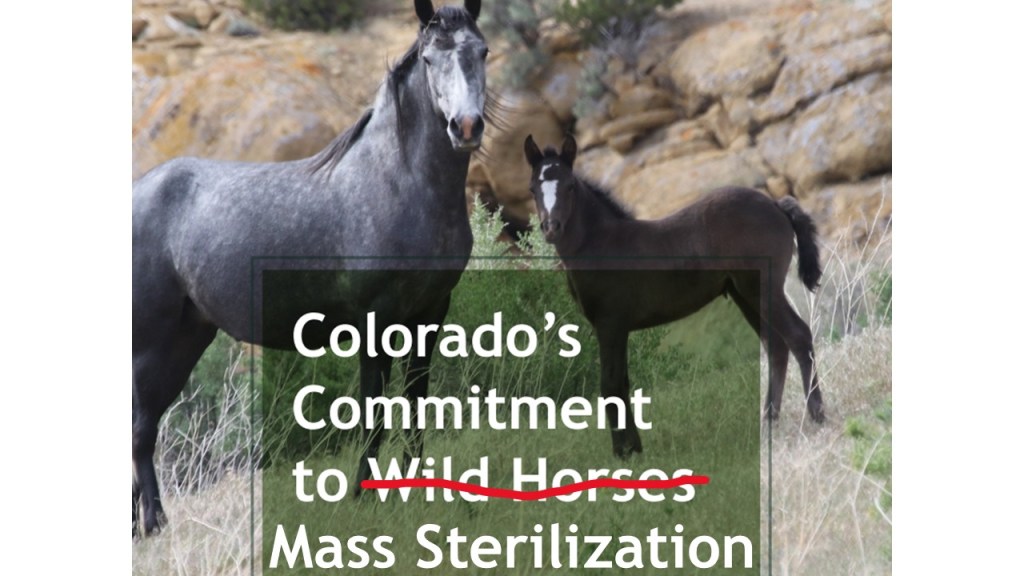
Humane management is a codeword for mass sterilization, the inevitable result when PZP is used for herd reduction.

How stupid do you have to be to believe anything from the wild horse advocates?

RELATED: Horses Vanishing as Salt River Contenders Trade Barbs.

Rebuttal to Denver Post Op-Ed on Wild Horses?

Like the original commentary, this one is for subscribers only.

Other parties are equally culpable, such as the wild horse advocates, farm bureaus, wildlife associations and public lands councils.

The aim of the grazing program is to ensure that high net worth individuals receive generous government benefits with no means testing and no expiration date.

Presiding over the scam are the Secretaries of Interior and Agriculture.

RELATED: Denver Post Misleads Readers About Wild Horses.

UPDATE: The response has been posted to the FOA website.

Denver Post Misleads Readers About Wild Horses

When you see a search result like this you know you’re about to be led down the garden path to a glorious place envisioned by ranchers and their allies.

How much of the material was sourced from the Bureau of Livestock Multiplication and the Campaign Against America’s Wild Horses?

Western Horse Watchers was unable to access the article.

Public lands in the western U.S. may have 47,500 wild horses and burros than allowed by plan, but not 47,500 more than the land can support.

The issue is not overpopulation, but the way your public lands are managed.

RELATED: Narratives, Collusion Drive Wild Horse Reporting.

Chincoteague Ponies: Cash Cows of Assateague Island

No response yet from the Chincoteague Fire Company on the number of adult males and females on the island.

The herd would need at least 100 females to produce 100 foals.

That leaves 50 males out of a herd of 150, the maximum number of ponies allowed by FWS, for a sex ratio two mares for each stallion.

Abnormal sex ratios are usually seen in herds treated with PZP, a byproduct of the effort to sterilize the mares, but in the case of the Chincoteague herd, it’s probably intentional.

RELATED: Unsolved Mystery: Chincoteague Pony Demographics.

Miracles and Wonders on Assateague Island

How could a herd of 150 adults, on the Virginia side of the island, produce 100 foals?

Fifty stallions covering 100 mares with a 100% success rate?

Twenty-five stallions covering 125 mares with an 80% success rate?

Have the saltwater cowboys been skewing the sex ratio in favor of females?

All six of this year’s buy backs are fillies according to the auction results.

Ka-ching, ka-ching.

Foals are hard to find on the Maryland side because the mares have been ruined by PZP.

RELATED: Chincoteague Buy Backs Net $355,500.

Foal-Free Friday, Irony and Hypocrisy Edition

While some folks talk about humane disposal of wild horses, the advocates deliver, referring to the practice as humane management or in-the-wild management.

Those are codewords for mass sterilization with PZP.

Ironically, the most vocal proponent of the method, who accused the BLM of the largest attempted eradication of wild horses, convinced an appeals court to halt the plan, snatching the title for itself.

Beware of the wild horse advocates.

RELATED: Foal-Free Friday, Missing in Action Edition.

Narratives, Collusion Drive Wild Horse Reporting

The unspoken word in news circles, apparently, is if you’re doing a story about wild horses, go to the Bureau of Livestock Multiplication and the Campaign Against America’s Wild Horses for comments.

Even Google—an appendage of the Democrat Party—is in on it.

Think of it as JournoList for wild horses.

Those who try to expose the deceit are censored.

Exhibit #1, a report by KRNV News on the Lahontan Management Plan, featuring the genetic diversity narrative and overpopulation narrative.

The first interview is with Tracy Wilson, defeatist, pesticide pusher and overseer of the largest attempted wild horse eradication in Nevada, who argues that the AML is too small to support genetic diversity and should be at least 150.

Unfortunately, herd size is poor indicator of genetic viability.  Breeding population is more important.  An AML of 500 would be too small if you’re poisoning the mares with PZP, the raison d’être of CAAWH.

Next, the camera turns to Holley Kline of the BLM who says there are far more wild horses than the land can support, which is misleading.

There are more wild horses than allowed by plan and they’re robbing forage from high net worth individuals who receive generous government benefits with no means testing.

Exhibit #2, a report by KLAS News on FY26 appropriations affecting wild horses, featuring the fertility control narrative.

Suzanne Roy, Wilson’s boss, said the BLM should “make humane management—not removals—the foundation of its program,” implying that fertility control is not removal, even though wild horse numbers go down as the advocates pummel the mares with pesticide-laced darts.

RELATED: PZP Doesn’t Kill Wild Horses, It Kills Wild Herds.

Impact of Court Order on Rock Springs Roundups?

They may go on as scheduled due to overpopulation but the AMLs would revert to their previous values so the capture and removal goals should go down.

  • Adobe Town: 536 → 800
  • Divide Basin: 0 → 600
  • Salt Wells Creek: 0 → 365

The number of horses removed could be reduced by 1,229.

The title of largest attempted eradication of wild horses would shift to the advocates at the Salt River and Virginia Range.

RELATED: Advocates Prevail in Rock Springs RMP Appeal.

Largest Attempted Eradication of Wild Horses?

The demoting of two HMAs in Wyoming and the downsizing of a third might win the prize in the motorized removal category but the plan was halted by an appeals court decision on July 15.

In the nonmotorized category, the Salt River Wild Horse Darting Group and the Campaign Against America’s Wild Horses take the prize for their mass sterilization programs at the Salt River and Virginia Range, affecting over 3,500 wild horses.

So, for now, those who accuse the federal government of the largest attempted eradication of wild horses are guilty of it themselves.

Why are you still giving them money?

Helicopter Ban Rises from Ashes

The co-chair of the House Pesticide Caucus has reintroduced a bill that would stop the roundups but not the removals according to a report by KLAS News.

Predictably, the Campaign Against America’s Wild Horses, a leader in mass sterilization and fierce opponent of principal use, endorsed it.

Originally known as the Save a Horse, Hire a Cowboy Act, the bill supports three tenets of rangeland management, forcing a change in methods but not the goals.

It will likely go nowhere in a Republican-controlled Congress.