Impact of Court Order on Rock Springs Roundups?

They may go on as scheduled due to overpopulation but the AMLs would revert to their previous values so the capture and removal goals should go down.

  • Adobe Town: 536 → 800
  • Divide Basin: 0 → 600
  • Salt Wells Creek: 0 → 365

The number of horses removed could be reduced by 1,229.

The title of largest attempted eradication of wild horses would shift to the advocates at the Salt River and Virginia Range.

RELATED: Advocates Prevail in Rock Springs RMP Appeal.

Largest Attempted Eradication of Wild Horses?

The demoting of two HMAs in Wyoming and the downsizing of a third might win the prize in the motorized removal category but the plan was halted by an appeals court decision on July 15.

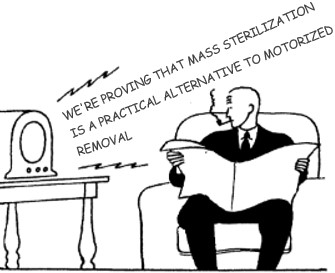
In the nonmotorized category, the Salt River Wild Horse Darting Group and the Campaign Against America’s Wild Horses take the prize for their mass sterilization programs at the Salt River and Virginia Range, affecting over 3,500 wild horses.

So, for now, those who accuse the federal government of the largest attempted eradication of wild horses are guilty of it themselves.

Why are you still giving them money?

Helicopter Ban Rises from Ashes

The co-chair of the House Pesticide Caucus has reintroduced a bill that would stop the roundups but not the removals according to a report by KLAS News.

Predictably, the Campaign Against America’s Wild Horses, a leader in mass sterilization and fierce opponent of principal use, endorsed it.

Originally known as the Save a Horse, Hire a Cowboy Act, the bill supports three tenets of rangeland management, forcing a change in methods but not the goals.

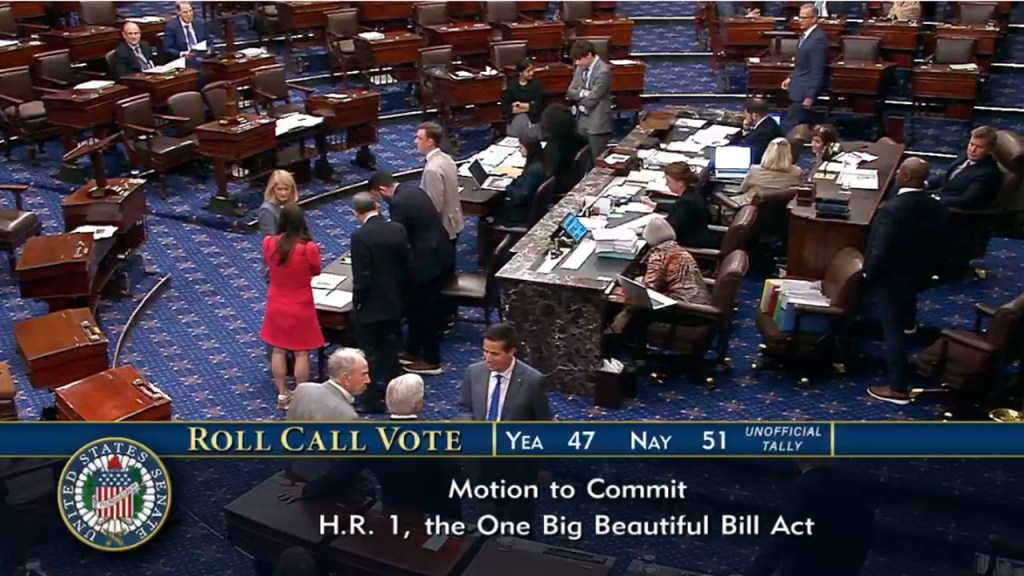
It will likely go nowhere in a Republican-controlled Congress.

Advocates, Not Congress, Greater Threat to Wild Horses

Yes, they have a pesticide caucus but they get their information from the advocates, who have sensationalized language in current legislation regarding slaughter—referring to it as a bullet to the head of wild horses—and the sale of public lands, without providing screen images or links to the offending material.

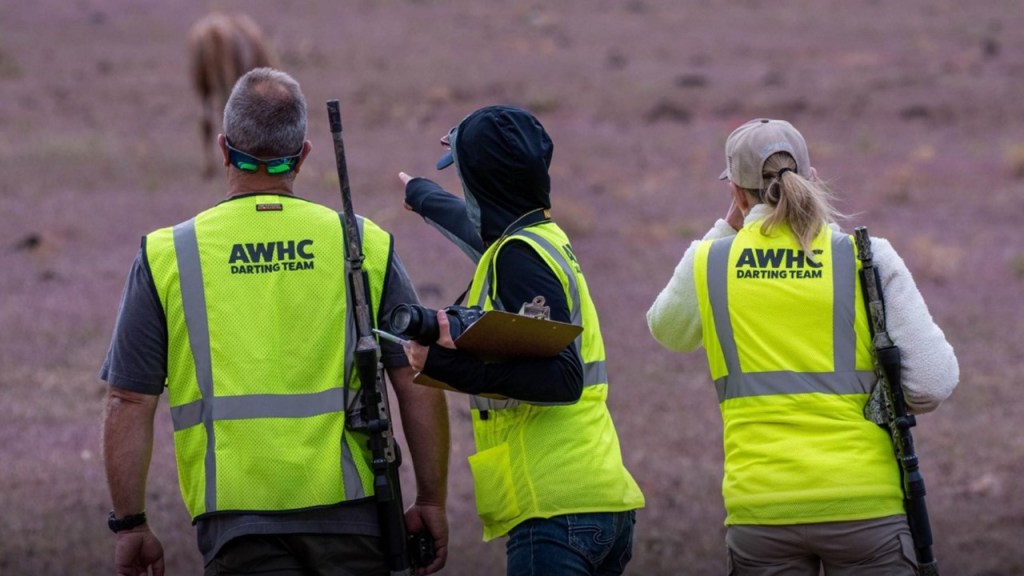
Meanwhile, they spend their days on the range, shooting the mares with pesticide-laced darts.

The advocates, not your elected representatives, are a clear and present danger to America’s wild horses.

Foal-Free Friday, Ratifying the RMPs Edition

If you’re thinking about HMAPs, you’re right, but there are other ways the advocates tell you they want the ranchers to win.

Forage allocations for wild horses and livestock are specified in resource management plans, sometimes referred to as land-use plans.

The plans are usually enforced by motorized removal.

If horses are consuming 40% of the authorized forage when the plan gives them 20%, a roundup is ordered to protect the ranchers.

The advocates don’t like roundups but concur with the idea of resource enforcement.

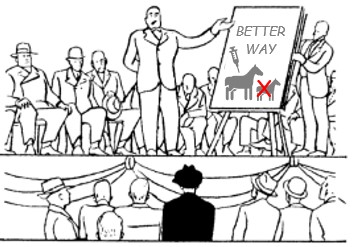
Fertility control is a better way of ensuring the ranchers receive 80% of the authorized forage in the lawful homes of wild horses, as specified in the RMPs.

There are no low-flying helicopters and no roping of fatigued animals.

In its extreme form there are no horses—exactly what the ranchers want.

RELATED: Foal-Free Friday, Passing the Torch Edition.

Wyoming Cheatgrass Mitigation Project Leaves Readers Hanging

As usual, the news release does not include a map of the project area or link to the NEPA analysis.

Permit holders, among others, were urged to be aware of treatment operations.

Ironically, the agency that routinely ignored the 2017 labeling amendment for GonaCon Equine, which extended the interval between primer and booster from 30 days to 90 days, said in the announcement that “Strict adherence to the pesticide label restrictions and instructions is followed as required by law.”

RELATED: Who Benefits from Cheatgrass Mitigation Projects?