
On the Salt River with Walking with a Wookie.
Author: Western Horse Watchers
Still No Answer from BLM on GonaCon Treatment Intervals
On June 11, your host sent the public affairs specialist at the Southern Nevada District Office a link to the 2017 labeling amendment seeking comment on current practices, which violate the Directions for Use.
The minimum interval between treatments is now 90 days although the agency consistently adheres to previous versions which said 30 days.

For example, go to Section 2.3.3.3 of the Draft EA for management actions in the Little Book Cliffs HMA. The citations refer to the 2013 registration and 2015 amendment, but not the 2017 update.
Caliente Roundup Over
The incident concluded on June 29 with 382 horses captured, 371 shipped, none released and 11 dead.
The capture and removal goals were 350 each.
There were no unaccounted-for animals.
The death rate was 2.9%.
The capture total included 162 stallions, 157 mares and 63 foals.
Youngsters represented 16.5% of the animals gathered.
Of the adults, 50.8% were male and 49.2% were female.
No mares were treated with fertility control pesticides and returned to the range.
The Complex consists of nine former HMAs now managed principally for livestock.
RELATED: Caliente Roundup Announced.
UPDATE: The BLM news release did not indicate that the roundup ended with 9.1% overreach and why it was needed in an area unfit for wild horses.
Does Accuracy Have a Role in North Lander Reporting?
There are no statements by the big-name advocacy groups in this article by Cowboy State Daily but there are a few remarks that need clarification.
1. The BLM estimates that 3,045 mustangs live there. The gather page puts the figure at 3,035.
2. Animals identified for removal will be taken to the BLM’s long-term holding facility near Wheatland. It’s a short-term facility.
3. The BLM considers 320 horses to be an adequate number, as the area’s designated maximum carry capacity is about 500 mustangs. The first number corresponds to the low end of AML, the point where ranching superiority in the Complex is achieved.
4. Wild horse advocates, among them Riverton native Jim Brown, think that’s a ridiculously low number. Correct, AMLs are small relative to the available resources because the HMAs are managed primarily for livestock.
5. Many claim that using helicopters to drive mustangs is needlessly cruel. Those making the allegations want to get rid of them with PZP, a restricted-use pesticide that tricks the immune system into attacking the ovaries.
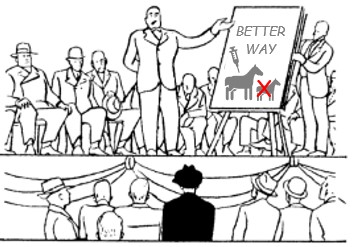
6. Brown said the original intent was that cattle and sheep grazing would not be allowed on HMAs but the act was tweaked in 1975 to allow livestock grazing. The original statute was amended in 1976 by FLPMA concerning motorized removal and again in 1978 by PRIA, which introduced AMLs. The concept of multiple use was overhauled by FLPMA.
7. It’s like the original law has disappeared, the horses are not the main occupants of the HMAs. Correct, the current statute no longer affords the protections sought by Velma and the 92nd Congress.
8. The population numbers aren’t arbitrary, they’re set according to the carrying capacity of the land the horses inhabit. Nonsense. The carrying capacity of the North Lander Complex is north of 4,600. The current population is well within this limit.
9. The ideal carrying capacity for mustangs takes into consideration the health of not only the horses, but other wildlife species they share the range with. The horses have been marginalized by the bureaucrats in favor of the ranchers. There’s nothing in the current statute that says AMLs must correspond to 20% of the authorized forage or less but that’s how the system operates.
10. The mustangs have no natural predators. Because wildlife agencies got rid of them to protect the ranchers.
11. The horses in the North Lander area are all in excellent health. Of course, the Allotment Master Report tells you there’s plenty of food in the Complex, enough to support an additional 4,080 wild horses!
12. The BLM is focused on the long-term health of the land and the mustang herds and doesn’t see mustangs and livestock grazing as being at odds. Really? The two are head-to-head competitors in a zero-sum game.
RELATED: If Wild Horses Had Principal Use of North Lander Complex.

One If by Helicopter, Two If by Pesticide
How can the North Lander Complex be overpopulated with 3,035 wild horses when the BLM authorizes livestock equivalent to 4,080 wild horses in the same area, on top of the 536 horses allowed by plan?
How can you give money to groups that say the roundups are cruel and costly but would, if given the chance, zero out the herds with ovary-killing pesticides?
RELATED: If Wild Horses Had Principal Use of North Lander Complex.
If Wild Horses Had Principal Use of North Lander Complex
The six allotments that coincide with the four HMAs offer 48,964 active AUMs on 337,999 public acres, equivalent to 4,080 wild horses on 337,999 public acres, or 12.1 wild horses per thousand public acres.
This brings more embarrassment to the bureaucrats and ranchers, who claim public lands in the western U.S. can only support one wild horse per thousand acres (27,000 animals on 27 million acres).
The AML is 536.
The pre-gather population is 3,035.
What can you conclude?
- The True AML is north of 4,600
- The Complex is not overpopulated
- There is no justification for a fertility control program
- Over 4,000 horses are rotting in off-range holding because of permitted grazing
- This is some of the most productive land in the American west
- The Complex is managed primarily for livestock
- The advocates are full of crap
Wild horses can have principal use of the Complex—as Velma and the 92nd Congress intended—by confining the ranchers to their base properties in a year-round off season.
RELATED: Ranchers Staging Sheep Ahead of North Lander Roundup?

FOA Asks Court to Stop Twin Peaks Roundup
The news release includes a link to the complaint, which alleges, among other things, that cattle and sheep in the HMA receive 26,644 AUMs per year, while horses and burros receive 9,792 AUMs per year.
The forage allocations tell you the HMA can support many more horses and burros than the bureaucrats admit but most have been consigned to off-range holding because of permitted grazing.
The incident is on the schedule with a start date of September 1.
Unlike most advocacy groups, Friends of Animals is not obsessed with fertility control pesticides.
RELATED: Pesticide Pushers Complain about Loss of Twin Peaks Foals!
One-Horse Pony Lays an Egg?
Apparently, at least according to the headlines on Drudge.
Your host was not among the 47.9M viewers.
Most wild horse advocates are Biden voters, disciples of climate change, LGBT and all manner of communist subversion.

Salt River Advocates Suffering from Mental Illness?
The Salt River Wild Horse Darting Group, an ally of the Campaign Against America’s Wild Horses, has started a fundraiser to intervene in the second case filed by the Center for Biological Diversity against the Forest Service.
The description says “They have sued our Forest Service over NEPA and are asking the judge for a halt of the humane management programs. This of course would spell the end of the Salt River wild horses as we know it.”
Halting the humane management program, sometimes referred to as mass sterilization with PZP, would be good for the herd, assuming the mares haven’t been completely ruined by the advocates. It would spell the end of their reign of terror.
Further, “The humane management programs are what have kept the Salt River wild horses safe and healthy, and it has also reduced the foaling rate from 100 foals a year to just one or two per year (for the past 3 years). So why would they attack these programs? Because they want to see the Salt River wild horses removed down to 44 horses!”
Forty-four is greater than zero. At least some horses will be left. If the darting program is not stopped this year, the tipping point will be reached and the herd will slide into irreversible decline, with life unable to keep up with death, just like the Maryland side of Assateague Island.
As for legal action, the advocates should be the target of a criminal probe.
They’re using PZP to eradicate herds that are said to be overpopulated, pose safety hazards to motorists or interfere with animal agriculture, none of which are approved uses of the pesticide.
Note in the photo below the lack of PPE, another violation of the Directions for Use.
RELATED: CBD Brings Another Complaint Against Salt River Horses.

Foal-Free Friday, Lies, Damned Lies and Statistics Edition
How would you classify the following statements?
- PZP is not a pesticide
- It has no adverse effects
- AMLs represent carrying capacities
- The advocates know what’s best for wild horses
- Ranchers have a right to graze livestock on America’s public lands
Hint: None are statistics.
RELATED: Foal-Free Friday, Protecting the Gravy Train Edition.
Ranchers Staging Sheep Ahead of North Lander Roundup?
So says a news release published this morning.
The allotments that overlap the four HMAs in the Complex are:
- Conant Creek – Conant Creek Common
- Rock Creek – Rim Pasture
- Muskrat Basin – Muskrat Open and Granite Mountain Open
- Dishpan Butte – Big Pasture and Dishpan Butte
The National Data Viewer shows the arrangement. Click on image to open in new tab.
The boundaries of the allotments coincide roughly with those of the HMAs.
Sheep are allowed in Rim Pasture and Conant Creek Common, according to the Authorization Use Report. The other four are cattle only.
Two areas in Rim Pasture have turnout dates of June 1, which may correspond to the trailers mentioned in the news release.
The Allotment Master Report provides management status and active AUMs.
Horses in the Complex receive 6,432 AUMs per year while livestock receive 48,964 AUMs per year.
The horses have been trying to reclaim some of their food from the ranchers and that is the driver of the roundup.
RELATED; Coalition Starts Online Protest of North Lander Roundup.
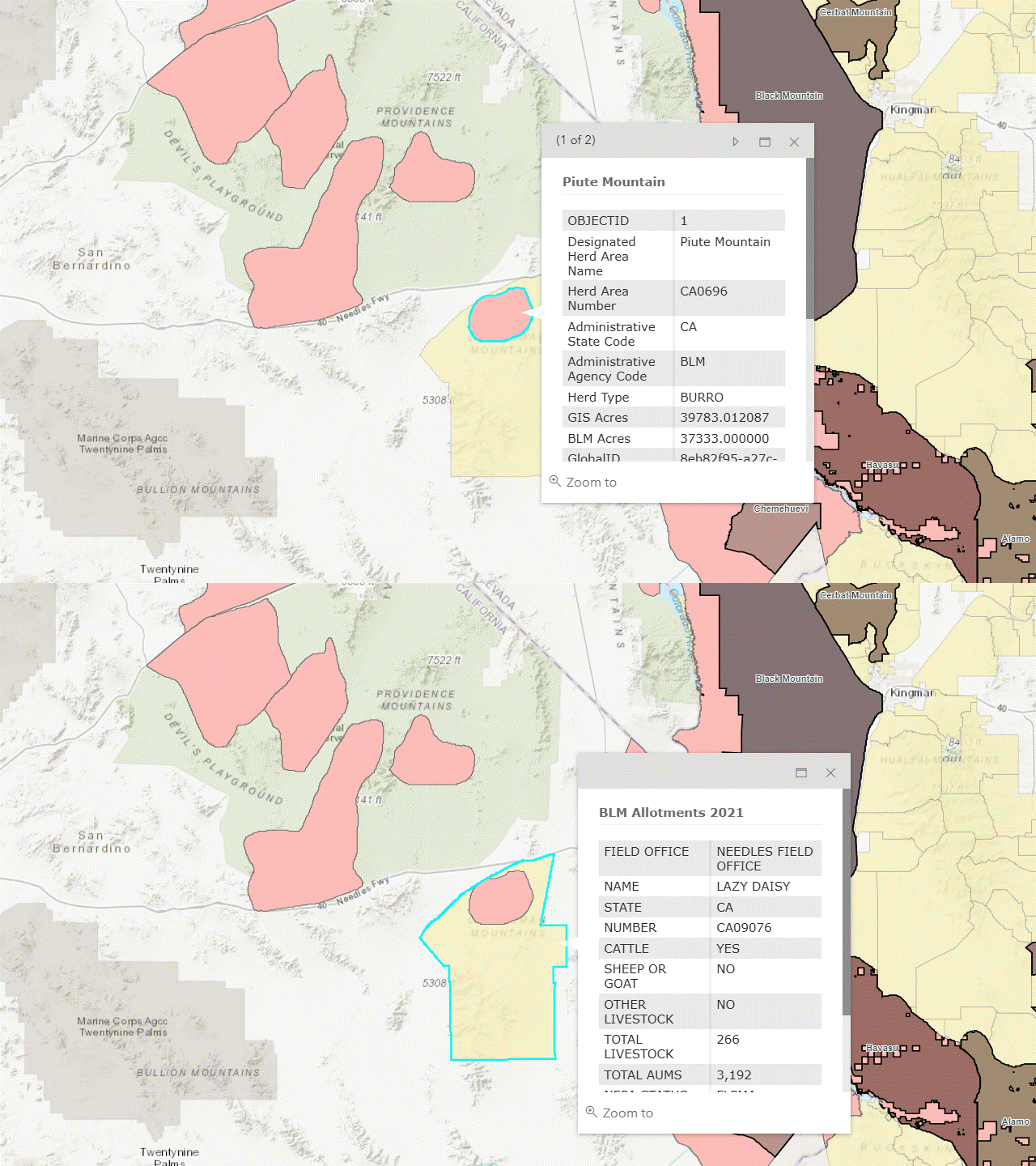
Piute Mountain Roundup, Day 27
The incident started on May 31. Results through June 26:
- Scope: Piute Mountain HA
- Target: Burros
- Type: Emergency
- Method: Bait
- Goals: Gather 50, remove 50
- Captured: 41, up from 33 on Day 14
- Shipped: 41, up from 33 on Day 14
- Released: None
- Deaths: 1, up from zero on Day 14
- Average daily take: 1.5
- Unaccounted-for animals: -1
The figures above are based on the daily reports.
No activity was reported between June 13 and June 26.
A burro was dispatched for a pre-existing condition on Day 27. No details were given.
Dead animals are usually not shipped but the total indicates it was, throwing the numbers out of balance.
The capture total includes 26 jacks, 13 jennies and 2 foals.
The HA has no AML and is subject to permitted grazing. Resources liberated to date:
- Forage: 246 AUMs per year
- Water: 205 gallons per day
The roundup supports three tenets of rangeland management.
RELATED: Piute Mountain Roundup, Day 14.
What If the Rock Springs HMAs Were Zeroed Out with Pesticides?
Would the advocates drop their lawsuits?
What if the pesticide of choice was PZP?
Would they offer to do it at no charge?
Consider the June 25 news release by the Animal Welfare Institute about the BLM’s wild horse eradication plan in southwestern Wyoming.
Removal of nearly 5,000 wild horses could start as early as October 1.
At the end of the announcement, AWI cites the Virginia Range fertility control program, where their coalition partner, the Campaign Against America’s Wild Horses, is wiping out a herd of roughly 3,500 with PZP sterilization.
They have no problem with that!
RELATED; Scoping Begins for Rock Springs Wild Horse Removal.

Bordo Atravesado Roundup Ends, Now Crime Scene?
The incident concluded on June 24 with 240 horses captured, 201 shipped, 31 released and eight dead.
There were no unaccounted-for animals according to these figures.
The daily reports indicate 238 horses captured.
The death rate was 3.3%.
Foals represented 11.7% of the animals gathered, consistent with a herd growth rate of seven percent per year.
Of the adults, 56.1% were male and 43.9% were female.
The May 16 report said 18 jennies were treated with fertility control of unspecified type, but no burros were caught.
The June 14 report said 31 animals were released, but their sex was not specified.
The June 3 schedule said ten animals would be treated with GonaCon Equine.
So the horses released probably included mares that received two doses of the pesticide less than 90 days apart, violating the directions for use in the 2017 labeling amendment.
The post-gather population probably isn’t much larger than 31, given that the pre-gather population was thought to be around 230.
The double-dose of GonaCon may mean the herd gets smaller for a few years if it recovers at all, giving the permittees primary use of the HMA.
Mesa County Commissioners Post Little Book Cliffs Comments
If you want to understand the enmity between the public-lands ranchers and wild horses, read the county’s news release dated June 24.
Better yet, read the June 11 letter from the Board to the BLM.
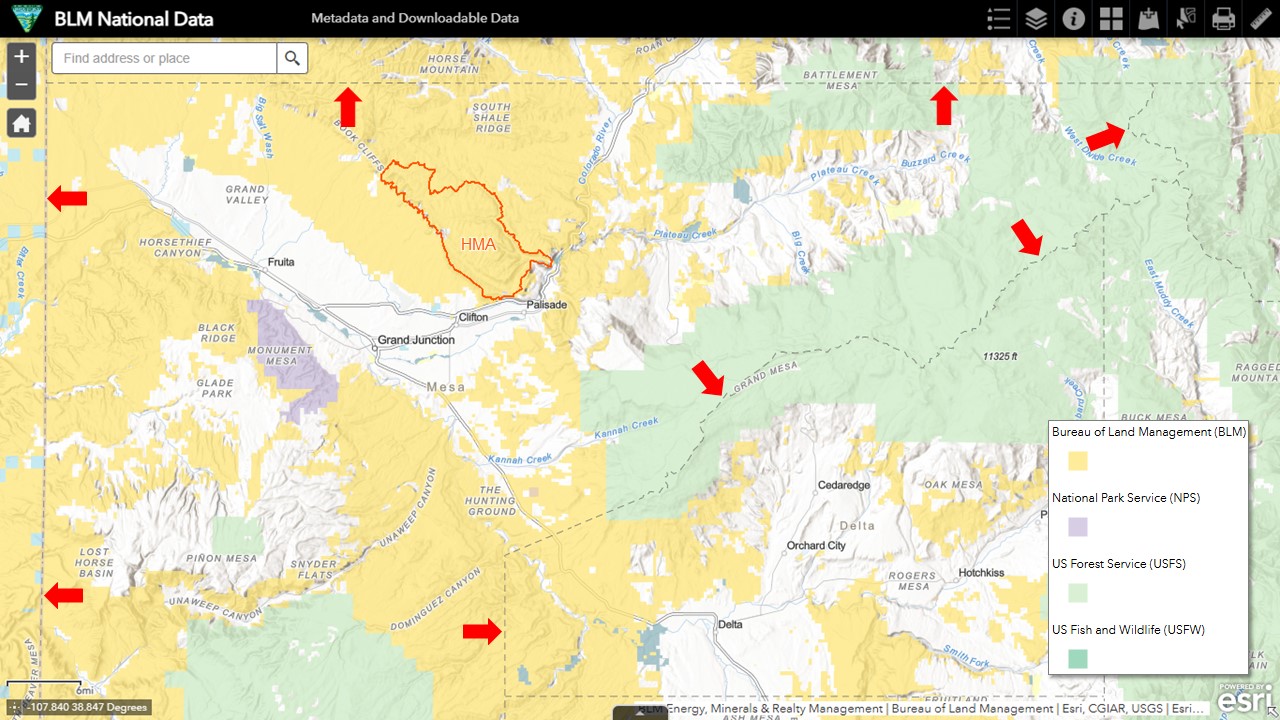
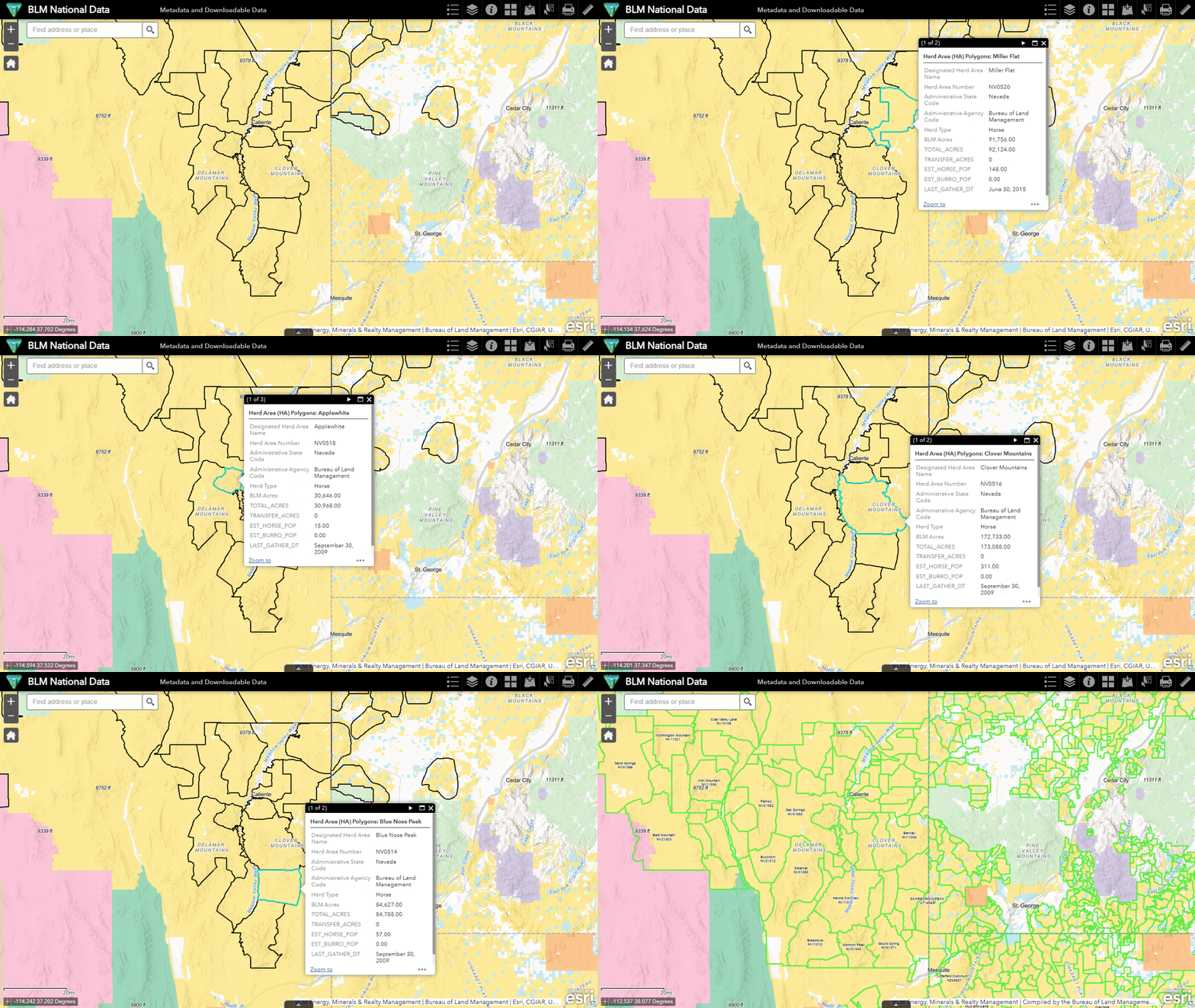
Western Horse Watchers estimates that sixty to seventy percent of the county is public lands, mostly BLM and USFS, and most of that acreage is subject to permitted grazing, based on the arrangement in the National Data Viewer and Western Watersheds map.
The HMA is close to the northern edge, denoted by red arrows.
RELATED: Turmoil at Little Book Cliffs?
They Fear Western Horse Watchers Most
The Love Triangle has been rocked back on its heels, long overdue.
From the unlawful use of pesticides to the mismanagement of resources, your host has put these phonies under the microscope and they don’t like one bit.
They’re now circling the wagons to protect their beloved gravy train, hoping their big-tech minions will ride to the rescue.
America’s wild horses will not be safe until the public lands have been cleared of privately owned livestock and the statute has been restored to its original form.

Residents Question Response to Horses Struck by Vehicles
The incident started on March 5 when an officer with the Las Vegas Metropolitan Police Department buried a dead horse in a shallow grave by a busy road, according to a story by Fox News of Las Vegas.
A second horse was injured and unable to move.
They were found on lands managed by the BLM near the town of Cold Creek, NV and were likely associated with the Wheeler Pass HMA.
Caliente Roundup, Day 69
The incident started on April 16. Results through June 23:
- Scope: Caliente Complex
- Target: Horses
- Type: Planned
- Method: Bait
- Goals: Gather 350, remove 350
- Captured: 365, up from 344 on Day 65
- Shipped: 328, up from 296 on Day 65
- Released: None
- Deaths: 10, no change from Day 65
- Average daily take: 5.3
- Unaccounted-for animals: 27
The figures above are based on the daily reports.
No activity was reported on Days 67 and 68.
The capture goal has been achieved with 4.3% overreach.
The death rate is 2.7%.
The capture total includes 157 stallions, 148 mares and 60 foals.
Youngsters represented 16.4% of the animals gathered, consistent with a herd growth rate of eleven percent per year.
Of the adults, 51.5% were male and 48.5% were female.
Body condition scores were not given.
The location of the trap site is not known.
The Complex is subject to permitted grazing. Resources liberated to date:
- Forage: 4,380 AUMs per year
- Water: 3,650 gallons per day
There are no plans to treat any of the mares with fertility control pesticides and return them to the range.
The roundup supports three tenets of rangeland management.
RELATED: Caliente Roundup, Day 65.
Mustang Monday
On the Virginia side of Assateague Island with Bethany Farris.
Observing Wild Horse Roundups Does Not Protect Wild Horses!
The new fundraiser could be titled “Greaves Carries Water for Leigh.”
The goal is $2,000, with a current balance of $260.
Presumably, the money will support observation of the North Lander roundup starting on or about July 1.
It will not break the cycle of wild horse removals in favor of privately owned livestock, motorized or nonmotorized.
It will not change the goal of ranching superiority in the lawful homes of wild horses, sometimes referred to as achieving and maintaining AMLs.
It will not alter the cozy relationship between the bureaucrats and ranchers, which the advocates accept and support.
It will not give principal use to the horses as Velma and the 92nd Congress intended in the original statute.
It will, however, keep their base fired up and the donations rolling in, while protecting and preserving the status quo.
RELATED: North Lander Roundup Pending.


