They’re very clever at concealing the truth from their supporters.

Beware of the wild horse advocates.
RELATED: If You Want to Help the Ranchers Give Money to the Advocates.

Western Horse Watchers Association
Exposing the Hypocrisy, Lies and Incompetence of the Wild Horse Advocates
They’re very clever at concealing the truth from their supporters.
Beware of the wild horse advocates.
RELATED: If You Want to Help the Ranchers Give Money to the Advocates.
The report by AP News did not indicate if they were insured and if it was an isolated case.
Four new projects have been opened in ePlanning and draft environmental assessments have been posted for public review.
Comments will be accepted through September 3.
These and other such pastures support three tenets of rangeland management.
Taxpayers foot the bill for removal, processing, transport and stockpiling of wild horses.
Ranchers who graze livestock in their stead profit handsomely from the arrangement because they pay almost nothing for it.
RELATED: BLM Seeks Off-Range Pastures for Wild Horses and Burros.
The incident started on August 29 with 15 horses captured, none shipped, none released and no deaths.
The one-day event concluded on August 29 with 36 horses captured, 36 shipped, none released and no deaths.
There were no unaccounted-for animals.
The capture total included 17 stallions, 14 mares and five foals.
The status of the grazing allotments affected by the fire and the availability of forage for livestock were not discussed in the August 29 news release.
RELATED: Sands Basin Emergency Roundup Next Week.
The one-day event concluded on August 27 with 38 horses captured, 38 shipped, none released and no deaths.
There were no unaccounted-for animals.
The capture total included 20 stallions, 15 mares and three foals.
The status of the grazing allotments affected by the fire and the availability of forage for livestock were not discussed in the August 29 news release.
RELATED: Four Mile Emergency Roundup Next Week.
In its flagship darting program on the Virginia Range, the Campaign Against America’s Wild Horses is sterilizing the mares with PZP, a restricted-use pesticide that tricks their immune systems into attacking their ovaries.
As wild horse numbers go down, another species is moving in to fill the void.
Are you surprised by this?
The advocates talk about cherished/beloved/innocent/treasured/iconic/majestic wild horses but their actions tell you it’s the ranchers they love.
Why are you still giving them money?
RELATED: Foal-Free Friday, He Said – She Said Edition.
The incident started today with 36 horses captured, 36 shipped, none released and no deaths.
RELATED: Sands Basin Emergency Roundup Next Week.
The August 25 guest column in the Las Vegas Sun reads like an advertisement for the Campaign Against America’s Wild Horses and its pest control services.
Did she write it or just sign it?
The underlying belief is that there are too many wild horses in the western U.S. and they need to be removed. Humanely, of course.
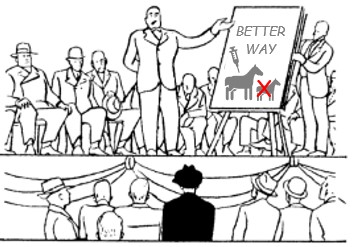
The statement about abuse during the Blue Wing roundup is over the top.
CAAWH released the video not to help wild horses but to draw attention to itself and its ruinous darting programs.

Of interest to its opponents is the remark about the cost of fertility control, “$1,320 for five years of treatment compared to around $48,000 for life in long-term holding.”
Why did they say five years? Why not for life?
Because the mares don’t recover after five years of treatment. They’re sterile.
The advocates won’t admit it, preferring to say the mares are self-boosting, a result that can’t be achieved with helicopters and wranglers.
RELATED: If You Want to Help the Ranchers Give Money to the Advocates.

The incident started today with 38 horses captured, 38 shipped, none released and no deaths.
The group that bungled the rescue will take them according to a story by KOLO News.
The report did not indicate if the group received financial support from its partner in the fiasco, the Campaign Against America’s Wild Horses.
An inventory was not provided.
The number of stallions that received permanent reproductive organ injuries is not known, nor is the number of nonviable mares.
The horses cannot be returned to the range per the agreement with NDA.
RELATED: Advocates Knew NDA Would Remove Sunny Hills Wild Horses.
The incident concluded on August 24 with 422 horses captured, 401 shipped, 13 released and six dead according to the daily reports.
There were two unaccounted-for animals.
The sidebar at the gather page says 403 horses shipped, bringing the count to zero.
The capture and removal goals were 420 and 360, respectively.
The death rate was 1.4%.
The average daily take was 35.2.
The capture total included 139 stallions, 196 mares and 87 foals.
Youngsters represented 20.6% of the animals gathered.
Of the adults, 41.5% were male and 58.5% were female.
The July 31 schedule indicates that 30 mares will be treated with GonaCon Equine and be returned to the range with 30 stallions but this is not discussed at the gather page.
The roundup supported three tenets of rangeland management.
RELATED: Sulphur Roundup Announced.
The HMA was on the June 3 schedule with Triple B, but they were dropped in the July 31 update.
Today’s new release indicates that 100 wild horses will be removed starting this week due to inadequate water.
The horses will be drawn into the trap with bait and the incident will not be open to public observation.
Captured animals will be taken to the Indian Lakes Off-Range Corrals in Fallon.
Only one of the overlapping allotments does not have active AUMs according to the Allotment Master Report.

That’s according to BLM State Director Doug Vilsack.
He wants to make the state’s wild horse program an object of celebration, not by allowing the animals to flourish in their lawful homes, but by shooting the mares with pesticide-laced darts.
Once herd numbers have been stabilized at appropriate levels, “then I think it’s going to get fun because we can sit down and think about, you know, what else can we do now that we have sustainable populations, how can we work on tourism opportunities for people to come see these horses? That would be a fantastic place to get to, to really be sitting down and thinking about how we can celebrate the wild horses and get beyond some of the controversy that we’ve seen when we do these gathers,” he told a reporter with The Grand Junction Daily Sentinel.
Only the ranchers, not mentioned in the August 25 article, will be celebrating.
A keyword search of the story yielded these results:
No bias here, no attempt to hide the truth.
The writer and his employer are not shills for the public-lands ranchers.
The herds are managed exactly as Velma and the 92nd Congress intended.
On the Onaqui Mountain HMA with Debbie ODell.
The incident concluded on August 24 with 25 horses captured, 21 shipped, none released and four dead.
There were no unaccounted-for animals.
The capture and removal goals were 31 each.
The death rate was 16%.
The average daily take was 5.0.
Body condition scores were not given.
The capture total included 6 stallions, 14 mares and 5 foals.
Youngsters represented 20% of the animals captured.
Of the adults, 30% were male and 70% were female.
There were no plans to treat any of the mares with fertility control pesticides and return them to the range.
The HMA is managed for burros only (AML for horses is zero).
As for the burros, 297 were captured, 296 were shipped, none were released and none died according to the daily reports.
The sidebar at the gather page says 296 captured, leaving no unaccounted-for animals.
The capture and removal goals were identical at 290 each.
The average daily take was 59.4.
The capture total included 111 jacks, 121 jennies, and 65 foals per the daily reports.
Youngsters represented 21.9% of the animals captured.
Of the adults, 47.8% were male and 52.2% were female.
There were no plans to treat any of the burros with pesticides and return them to the range.
The HMA is not subject to animal agriculture but last year the BLM initiated land health assessments for several idle allotments in the area including one that overlaps the HMA, to determine suitability for livestock grazing, then cancelled the project earlier this year.
RELATED: Marietta Roundup Announced.
The incident concluded on August 21 with 869 horses captured, 860 shipped, none released and nine dead.
There were no unaccounted-for animals.
The capture and removal goals were 760 and 722, respectively.
The death rate was 1.0%.
The average daily take was 124.1.
The capture total included 311 stallions, 371 mares and 187 foals.
Youngsters represented 21.5% of the animals gathered.
Of the adults, 45.6% were male and 54.4% were female.
The number of horses removed from the HMA depends on the number to be returned.
The gather page indicates 70 but the July 31 schedule says 38.
If 70 is correct, the operation liberated 9,588 AUMs per year, giving new hope to the South Steens permittees.
RELATED: It’s Official: South Steens Roundup Set for August 15.
The advocates, represented by the Campaign Against America’s Wild Horses and Wild Horse Connection, wanted you to think they were the good guys, victims, and the NDA and its wranglers were the bad guys for removing 24 Virginia Range mustangs from a construction site in Reno.
This is nonsense. Both sides, working together since 2019 to exterminate the herd, knew what would happen if the rescue failed.
The advocacy groups rank among the lowest and sleaziest of the nonprofits.
RELATED: Advocates Protest Virginia Range Roundup in Carson City.
The incident started on August 13. Results through August 23:
The figures above are based on the daily reports.
The sidebar at the gather page says 371 horses shipped.
The capture goal has been reached.
One mare and two foals were taken on Day 9 but no explanation was given.
A foal was put down on Day 10 because of a club foot. A foal and stallion were dispatched on Day 11 due to leg fractures, boosting the death rate to 1.4%.
The capture total includes 139 stallions, 196 mares and 87 foals.
Youngsters represented 20.6% of the animals gathered, consistent with a herd growth rate of 15% per year.
Of the adults, 41.5% were male and 58.5% were female, outside the expected range of variation of a random process centered at 50% males / 50% females.
The 13 stallions released on Day 11 may be attempt to move the sex ratio back into normal range.
Body condition scores were not provided.
The location of the trap site is not known.
The HMA is subject to permitted grazing. Resources liberated to date:
The July 31 schedule indicates that 30 mares will be treated with GonaCon Equine and be returned to the range with 30 stallions.
The roundup supports three tenets of rangeland management.
RELATED: Sulphur Roundup, Day 8.
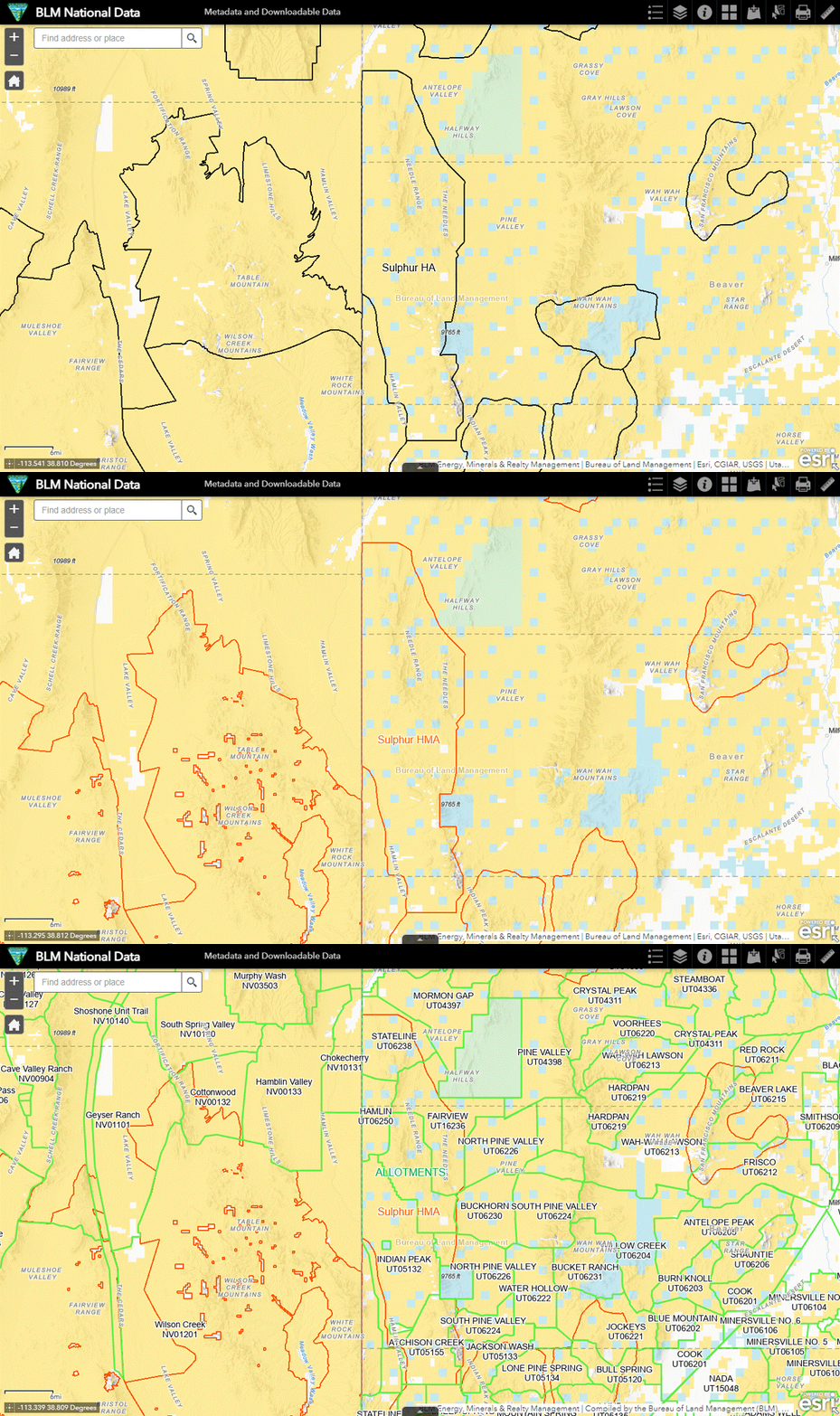
The incident started on August 20. Results through August 22:
The figures above are based on the daily reports.
Horses
A stallion was put down on Day 2 for lameness, lifting the death rate to 16%.
The capture total includes 6 stallions, 14 mares and 5 foals.
Youngsters represented 20% of the animals gathered.
Of the adults, 30% were male and 70% were female.
Body condition scores were not given.
Burros
The capture goal has been exceeded by 2.4%.
The capture total includes 111 jacks, 121 jennies and 65 foals.
Youngsters represented 21.9% of the animals gathered.
Of the adults, 47.8% were male and 52.2% were female.
General
The location of the trap site is not known.
The HMA is not subject to permitted grazing.
There are no plans to treat any of the animals with fertility control pesticides and return them to the range.
RELATED: Marietta Roundup in Progress.

 Western Horse Watchers Association