
The wild horse and burro program has been a drag on the grazing program for fifty years.
Nearly half of their land is managed principally for livestock. The remainder is managed primarily for livestock, with few exceptions.
AMLs are low relative to the available resources. Most of the forage has been assigned to privately owned cattle and sheep, with a small amount reserved for wildlife.
Pest control programs, the subjects of numerous environmental assessments, do not allocate resources. They cannot change resource allocations. They enforce resource allocations already on the books, in the land-use plans.
Findings of no significant impact don’t apply to the horses.
Roundups shift resources back to the ranchers in just a few weeks. Darting programs accomplish the same thing over a much longer timeframe but with the added benefit that the herds don’t bounce back.
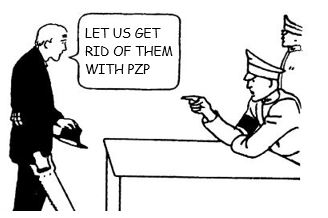
Most of the advocates are frauds. Next to the federal government, nobody’s getting rid of more wild horses than they are.
At the Salt River and Virginia Range, they operate almost exclusively of the bureaucrats and ranchers, whose approval they seek at all costs. Residents, tourists, motorists, campers, hikers, predators and shooters can’t even come close.
RELATED: Story of ‘American Horses.’
 Western Horse Watchers Association
Another shameless putdown of the wild horses that was really blatant occurred on PBS in 2023 on the series called The Human Footprint in the program called Strangers In Paradise that included the wild horses along with some really blatantly invasive species such as the Asian Carp. The wild horses, however, restore North American ecosystems — the equid element that restores balance and enhances the life community. See my book at https://www.amazon.com/dp/1461068983